
MS Inaugurates Mock Court Room at MS Junior College

MS Inaugurates Mock Court Room to Promote Practical Legal Education
New Facility to Enhance Experiential Learning for CEC Premium Students
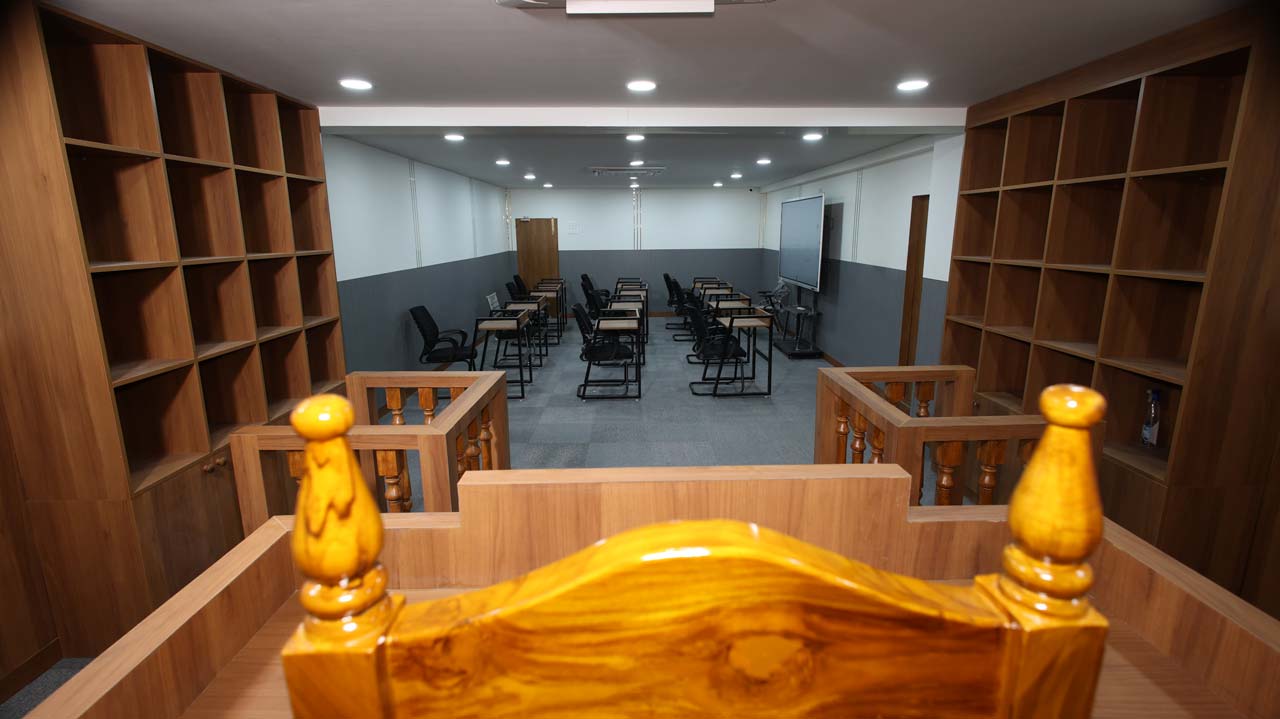
In a unique initiative to promote practical and experiential learning, MS Education Academy has established a state-of-the-art Mock Court Room at MS Junior College, Mehdipatnam, to nurture students aspiring to pursue legal education and careers in the judiciary and other related fields.

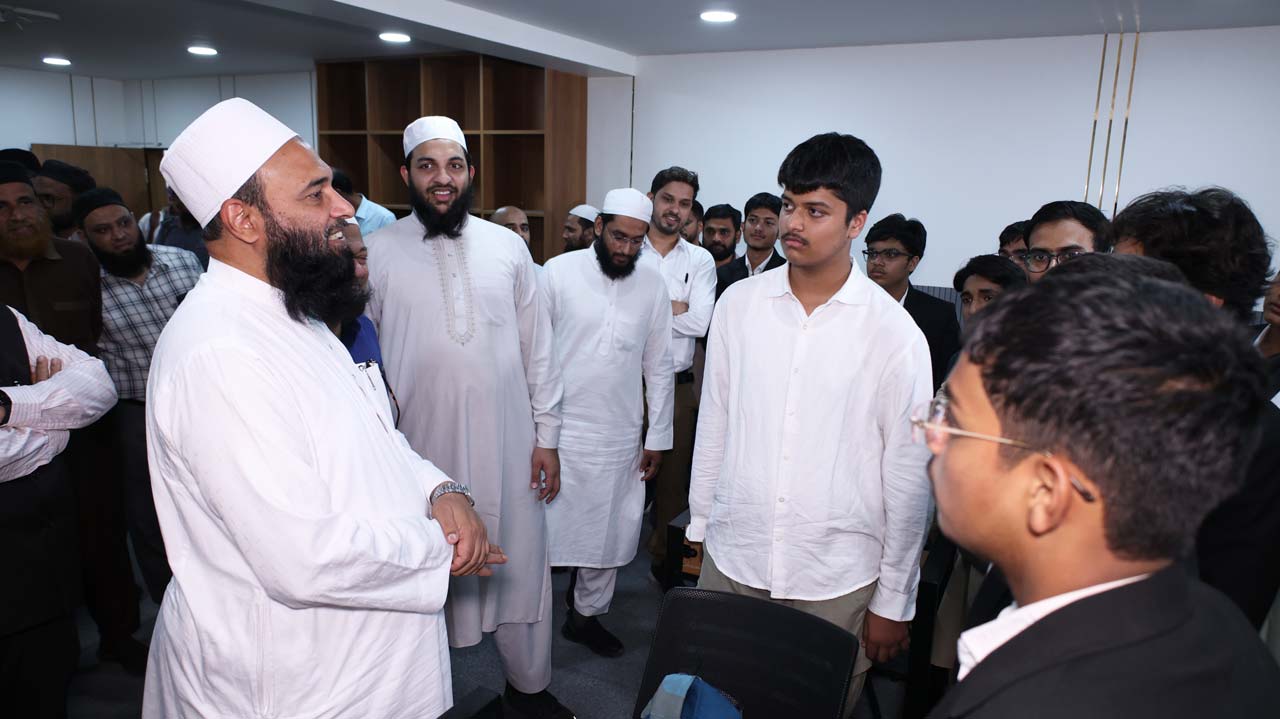
Mohammed Lateef Khan, Founder and Chairman of MS Education Academy, inaugurated the facility, which provides students with a courtroom-like environment to participate in simulated court proceedings, conduct mock trials and present arguments based on hypothetical cases. The initiative aims to bridge the gap between theoretical knowledge and practical application, giving students an early understanding of courtroom procedures and legal practices.
Promoting Experiential Learning Through the CEC Premium Programme
The Mock Court Room is part of the activity-based learning approach adopted under the Intermediate CEC (Civics, Economics and Commerce) Premium Course. The programme is designed to strengthen students’ research, analytical reasoning, communication and presentation skills while introducing them to the practical dimensions of law and other professional disciplines.
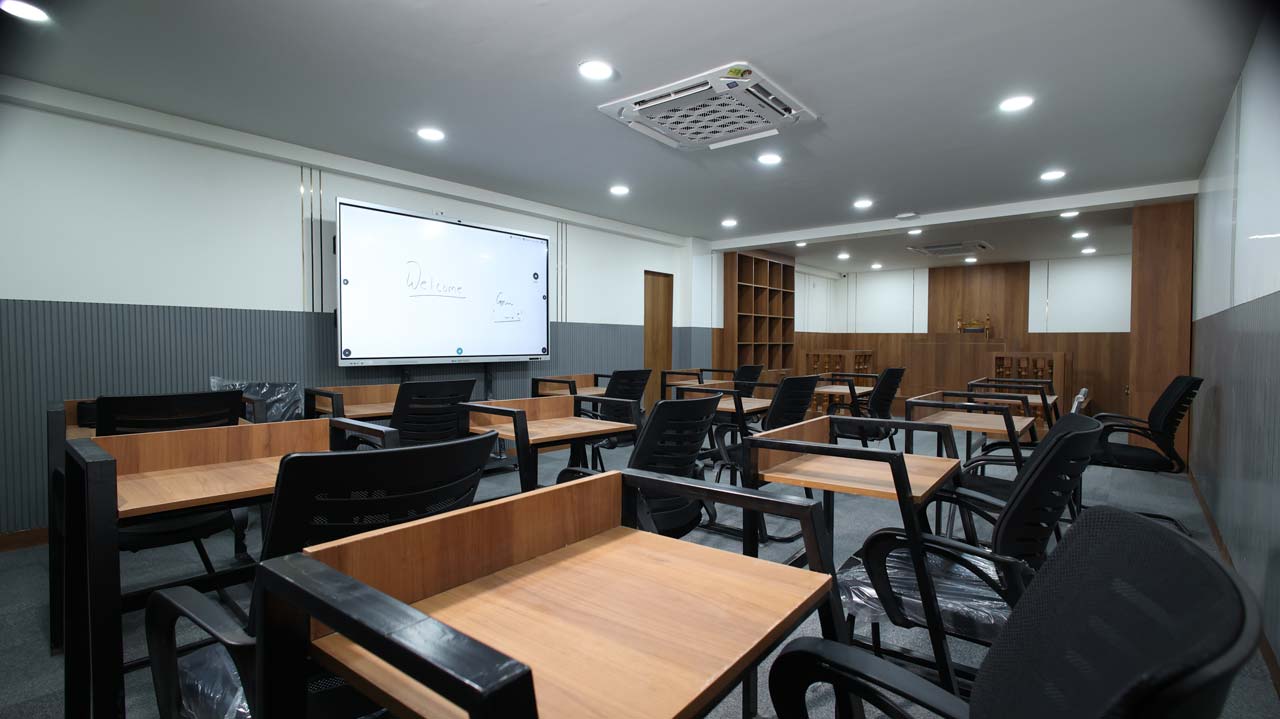
Launched in the academic year 2026–27, the two-year CEC Premium programme is an industry-connected, activity-based and future-oriented integrated commerce course. It incorporates preparation for the Common Law Admission Test (CLAT) at the Plus Two level, helping students prepare for admission to National Law Universities and explore other professional career pathways.
The programme also seeks to modernise the conventional CEC stream in alignment with evolving industry requirements and the vision of the National Education Policy (NEP).
Industry Exposure and Expert Guidance
The CEC Premium programme offers a comprehensive learning experience through guest lectures by practising professionals from law and other disciplines, experienced faculty for competitive examinations such as CLAT, and Subject Matter Experts (SMEs) in the CEC domain.
To ensure individual attention and effective classroom engagement, the programme maintains a maximum class strength of 30 students.
Modern Infrastructure for Holistic Learning
The programme is offered at MS Junior College, IOE Block, Mehdipatnam, which provides dedicated air-conditioned classrooms equipped with individual laptops for students, smart boards and projectors.
The campus also houses a well-equipped library with resources covering politics, law, history and leadership. With the addition of the newly inaugurated Mock Court Room, the institution offers students an integrated learning environment that combines academic instruction with practical exposure.
Beyond the Classroom: Learning Through Activities
The academic schedule combines classroom instruction from Monday to Friday with activity-based learning on Saturdays. Students participate in mock trials, team presentations, group discussions, field visits and industry visits, enabling them to explore real-world applications of their subjects.
Through these initiatives, MS Education Academy aims to provide students with a well-rounded educational experience that develops critical thinking, confidence, professional awareness and essential skills for higher education and future careers.
READ MOREEngineers: The Architects of Urban Planning

Engineers: The Architects of Urban Planning
Who is the “Father of Indian Economic Planning”?
Hint :- You might be familiar with his name in relation to the Planning chapter of Economics!
Yes! You got it. It is M. Visvesvaraya. He is known as an early practitioner of economic planning, and he is regarded as the first person to think of economic planning after independence. He was a Bharat Ratna awardee and was a great engineer of his time. He was conferred a title by the Britishers for his contribution to public goods.

Engineering Marvels
What is common between the wonders of the world like the Taj Mahal in India, the Pyramids of Egypt, the Great Wall of China. They all reflect the engineering marvel of their era. These specimens of engineering and architecture that depict the culture, tradition, history, and innovations of their time. They carry the mysteries of efficient usage of science and technological techniques to build their monuments to an extent that the modern engineers awe. These are a great source for the historians and serve as a primary source and an open book to study the ancient and medieval past.
Engineers changed the course of history
 Engineers change and shape our modern world. We cannot think of a modern world without them. The developments in technology and infrastructure are the results of their immense hard work. They contribute to building infrastructure that connects spaces in no time, making the world a global village.
Let’s talk about some innovations that changed the course of time.
Thomas Alva Edison was a remarkable inventor who invented many modern technology. His most famous invention is that of the light bulb, which has become an essential component in our daily lives. He says, “To Invent, you need a good imagination and a pile of junk.”
Thomas Newcomen is credited with inventing the first commercially usable steam engine. Later on, other inventors poured their experiences into it to enhance its accuracy. The steam engine used in railways significantly changed the transportation system across the world, especially when the colonial Britishers introduced it into the colonies.
Johannes Guttenberg’s Printing Press made mass production of books easy. This helps in dissemination of knowledge from the hands of religious preachers to the general public. Ideas, knowledge, education become the part of general public with the removal of monopoly held by few sections of society.
Indian Glorified Past
 There were many empires that provided patronage to the development of art through building architecture and sculptures. Empires like Gupta, Cholas, Hoysalas, Mughals are some of the examples. Some of the famous works engraved and constructed with high precision and detail are the Kailash Temple, Meenakshi Temple, Ajanta Caves, Qutub Minar, etc.
Kailash Temple is a rock-cut architecture carved from an entire mountain with beautiful sculptures and intricate designs. This monolithic structure is mainly called an Ancient Architectural Wonder! The detail chiseling of a mountain into a temple surrounded with deities like Shiva makes a visitor ponder over the resources the sculptors had access to in the eighth century.
In medieval times, many monuments have been developed. One such monument is the Qutub Minar, which still reflects the ingenuity of the engineer’s exceptional knowledge to keep it firm and is still against time’s ruthless actions over it.
Role of Engineer in Urban cities.
 Engineers shape our surroundings profoundly. It has an impact on our daily lives. The roads that we used to ride our vehicles, the bridges that we used to cross rivers, the buildings that we live in all emanate from the creative minds of engineers. We are actually surrounded with engineering work that we hardly recognize in our daily lives. Had it not been there, our day-to-day commutes would have been stalled.
Burj Khalifa, the tallest building, is one of the modern specimens of engineering techniques coming together. Urban landscape cannot be imagined without their role, as planning is the crux of urban development, and engineer’s role is magnificent. They turn ideas and imaginations into real structural creativity. Take this quote for example.
| “Scientists investigate that which already is; engineers create that which has never been.” -Albert Einstein |
Civil engineers develop the urban infrastructure in a way that it becomes habitable for all. It takes account of various socioeconomic and physical parameters while developing urban spaces where people can live and enjoy a decent life. Waste management is another important aspect of urban planning where engineers provide efficient and sustainable ways to treat waste.
The transportation system needs robust infrastructure like road links, railway tracks, and big complex airports. Modern engineers shapes these infrastructures but face various challenges to make transportation more sustainable, and they have come over various techniques to build corridors for the movement of animals, thus making the system more efficient and sustainable.
 Environment Sustainability is the need of the hour. Engineers ensure sustainability by building energy-efficient housing. They contribute through various techniques to build energy-efficient technologies and ensure green infrastructure to help sustain the environment in a rapidly urbanized and industrialized era.
The heavy responsibilities of engineers demand continuous pouring of their creative solutions from their minds to create solutions to the problem by considering all factors that affect our modern society. They provide innovative solutions to the problems through the lenses of sustainability and longevity that aesthetically appeal to us.
Their ability to break complexity into simplicity provides an inclusive environment approachable to every section of society. We should felicitate and cherish their contribution, which we don’t feel but we use innumerably in our day-to-day lives.
| “What we usually consider as impossible are simply engineering problems… there’s no law of physics preventing them.” -Michio Kaku |
Written by: Aijaz Hussain
READ MORERaising Awareness on World Conservation Day

Raising Awareness on World Conservation Day
World Conservation Day is observed on July, 28 with the objective of saving the rapidly degrading environment. It raises awareness about the importance of healthy environment and focuses on the need of preserving our natural resources. It encourages sustainable living among the people. This day hold an immense importance to highlight human’s exploitation of natural resources, rapid industrialization, deforestation and increasing encroachments into natural habitats that have disrupted the ecological balance.
Themes of Conservation
 Biodiversity Preservation: Conserving flora and fauna will help retain the biological diversity of species. Both species and habitat should be considered.
Sustainable Practices: Sustainable practices in resource extraction, industries, agriculture and other sectors will contribute to a healthy environment. Resource management, waste reduction and eco-friendly technology use can enhance sustainability.
Role of community: Active participation of all stakeholders are necessary. Inclusive approach in conservation is beneficial.
Climate Change: Addressing climate changes need effort to reduce deforestation, emission of carbon dioxide conventional source of energy. Conservation will have a positive impact on the rising temperature.
Traditional Knowledge: The immense traditional and ecological knowledge from local communities are needed for conservation practice.
Importance of Conservation
The significance of conservation can be comprehended by some of the highlighted consequences of natural degradation described below.
 India is ranked fifth most vulnerable country to climate change impacts. -RBI annual report
- Rapid Meltdown: Glaciers across the globe is melting at a faster rate.
- Glacier shrank by 1 meter a year (World Meteorological Organization)
- Increasing Temperature: – Heatwave has become a common phenomena. Humanity is struggling to keep temperature below 1.5 degree Celsius. If we want this goal, we have to achieve an uphill task of halve emission till 2030 and net zero by 2050.
- Disaster: Historically conflicts and violence has been biggest trigger for replacement. Now disaster has replaced it.
- Encroachments on forests result in frequent human and animal interaction. This leads to spreading of infectious diseases.
How to contribute
- Environmental Campaigns: Become a volunteer with an environment campaigns aimed at conserving environment.
- Educational Programme: Seminars, workshops, rallies etc.
- Clean up Drives: Cleaning roads, park, rivers, beaches and public places from litter.
- Tree Planting: Planting tree educational institutions.
- Street Plays: Organizing street plays, sensitizing about environment.
- Sustainable Practice in Daily Lives: Try to limit use of plastics. Use fiber bags instead of plastics.
- Education: Educate yourself and people around you. Draw their attention towards ongoing environmental related issues.
 The prominent role of conservation has increased manifold amid the ruthless attack on nature. The exact origin of this day is not documented but its importance increases as human’s attack on earth extends. The reason behind the ongoing sixth mass extinction is expected to come from the human side for the first time. The five previous mass extinct was primarily natural. Thus the conservation efforts should come from the human side.
World Conservation Day provide a common platform for the countries to unite and foster cooperation for conservation efforts.
Government has the pivotal task, but it needs every stakeholder’s attention including us. We should become a responsible citizen and engaged citizens. Every single step of conservation from our side will eventually contribute in the larger effort of combating climate change.
Written by: Aijaz Hussain
READ MOREPopulation and Sustainable Future

Population and Sustainable Future
Ayaan’s school bus was trapped in heavy traffic which elongated for hours. The haze, smoke, and continuous beeping made the students dizzy. He could not control himself and yelled at everyone, “Why are there so many vehicles on the road?” Rehan, sitting next to him, smiled and replied softly that it was because there are lots of people in the city. Ayaan went into a deep thought. He later learned from his teacher that India has become the world’s largest populated country.
Look at this Fact!!
India hold approximately 18% of the World’s population on 2.4% of the world’s land! Doesn’t the population outweigh the land proportion?
Here is a prediction from Stephen Hawking “In the last 200 years, the population of our planet has grown exponentially at a rate of 1.9% per year. If it continues at this rate with the population doubling every 40 years. By 2060 we would be standing literally shoulder to shoulder”.
History and Objective
The World Population Day was first announced by the United Nations Development Program (UNDP) in 1989. It is celebrated on the 11th of July around the globe.
By observing this day, the United Nations look forward to address this burning issue of our time. It seeks to bring attention towards overpopulation and related events like demographic trends, family planning, reproductive health care, sustainable development goals, and climate change among all stakeholders e.g., Students, NGOs, Policymakers, Government, etc.
India and Population
India is classified as a developing country. It is the biggest contributor in the Global population share. India recently surpassed China as the world’s most populous country according to the UN population estimates. As of July 23, 2024 Indian population stands at whopping 1,442,481,630 people. (worldometer)
Population explosion and Climate Change are interconnected and have cause effect relationship. Climate Change, one of the preeminent issues of the twenty-first century is elevated by population explosion. The population in turn will be exposed to climate hazards. The burden of population explosion will be shifted more towards the developing and least develop countries as these countries will have fewer resources to tackle the threats imposed by the enormous growth in population.
The increase in population stimulates various adverse social, environmental, and global impacts. It increases strain on resources and puts pressure on infrastructure. Overcrowded cities struggle to provide housing, transportation, healthcare, and education to everyone. Cities that hold a population beyond sustainability struggle to deliver a good quality of life to their citizens and often rank top in the list of polluted cities. Indian cities like Gurugram, Noida, New Delhi, and others rank among the highest air-polluted cities.
Having been the most populated country aligned with some of the highest polluted cities, people need to be aware of the pros and cons of increasing population.
Some positive and negative effects are listed down:
 Positive Impacts:
-
A country blessed with a population enjoys a number of work forces. This workforce can be a source of potential growth engine for the economy.
-
The young generation can invest heavily in skill, talent, ideas and help thrive in innovation and entrepreneurship.
-
It leads to cultural diversity within a nation. An increase in population increases the number of traditions, customs, and languages within a society. For example, cities like Delhi, Mumbai, and Bengaluru have become melting pots of culture.
-
People’s interaction tends to increase in a society, it leads to cohesion, brotherhood, integrity and creates a sense of national identity.
Negative Impacts:
-
Overcrowding: Cities are overcrowded and compacted. There are very few empty spaces in cities. It springs many problems that we deal with in our daily lives like solid waste management problems, air, water, noise pollution, lack of ventilation, etc.
-
Water Shortages: There are too many people available and limited amounts of water. It led people to extract groundwater in an unsustainable way.
-
Ecological Overshoot: Defined as human demand exceeds the supply of an ecosystem.
-
Pressure on Infrastructure: The growing population strains infrastructure such as transportation networks, healthcare facilities, schools, and housing. It results in Traffic congestion, inadequate service, and urban sprawl.
-
Pressure on Housing: Population increases lead to demand as well as shortages of housing. Homelessness, Slums, are the results of it.
 Government – A Pivotal Player
Government plays the most important role in formulating policies targeted towards population control. From the controversial vasectomy campaign to recent population control bill in 2019, it remain in headlines. Various schemes were directed towards population control by the Indian government. Mission Parivar Vikas is one of them. Authorities should facilitate interconnecting schemes linking family planning with the health and education sector.
It remains significant in bringing awareness among the masses, especially the youth generation. This year theme for 2024 World Population Day is “Empowering Youth for a Sustainable Future” directed towards the involvement of youth in achieving sustainable development goals. India can achieve several sustainable development goals if it links them with proper family-directed schemes.
World Population day reminds us of our collective responsibility to create a balanced approach towards resources. Let’s ensure population growth doesn’t outstrip resources because the Earth is finite.
Lets keep our crunch for resources aligned with the goal of our Father of nation which said that Earth has enough resources to meet the needs of all but not enough to satisfy the greed.
Written by: Aijaz Hussain
READ MOREHouse System introduced to inculcate leadership skills in MSians

Business vector created by freepik – www.freepik.com
House System introduced to inculcate leadership skills in MSians
Hyderabad: To inculcate leadership qualities in MSians right from childhood, MS has introduced School House System in all its branches. The system has an established hierarchy line and provides positive competition among students and it also builds a close rapport between students and teachers to achieve common goals.
On the apex of the hierarchy line stands School Pupil Leader. He is selected by the principal after consultation with the class teachers. He is next to the Principal in respect of policy making related with students. His main function is to ensure that students’ concerns are brought to the notice of the school authorities. He also acts as liaison between the students and the school authorities. The next position in the leadership hierarchy is Deputy School Leader who is also selected by Principal. He reports to School Pupil Leader.
The Deputy School leader also has an equally important role to play for the success of the activities and programmes of the school. His responsibilities include 1)Render support and cooperation to other captains, 2)Manage student discipline and inculcate good behavior, 3)Exhibit exemplary role model and self-discipline. Besides that there are 6 committees: namely 1)Literary Committee 2)Science Committee 3)Creativity Committee 4)Deeniyat Committee 5)Sports Committee 6)Cultural Committee. These committees are headed by a President who are selected by the subject teachers. Next in line is House captains followed by Mentors and Bench monitors.
The school is divided into four different houses. And each house is lead by house captains. The House captains represents houses and reports to deputy School leader. He/ she is selected from class IX. The house captains are expected to: 1)Supervise and coordinate all house activities along with the house parents, 2)Encourage the house members to take part in the house competitions, and 3)Exhibit exemplary role model and self-discipline.
Mentors are selected / elected in each class (other than IX class) by Class Teacher and he /she reports to respective house captains / Deputy School Leader. He plays a crucial role in helping the class teachers in the smooth functioning of the class. He acts as the overall in charge of the class for particular house and coordinate all class activities.
The last hierarchy is Bench Monitors. They are selected by the mentors in each class for each bench after discussing with class teacher. The Bench Monitors report to Mentors and act as guide for the student sitting along with him and coordinate all class activities.
The purpose of setting up the school house system is to give students an identity and sense of pride in a supportive, secure environment. Instills determination, team work, belongingness, creativity and collaboration among students. And brings awareness of the importance of community. Allows development of skills and talents and acknowledges their successes.
READ MOREStrategies to bring discipline in the class room
Strategies to bring discipline in the class room

Preventive
To prevent misbehavior in the classroom, the teacher has to provide a stimulating environment that involves students so successfully that they spend little time thinking of misbehaving. The following methods can be applied to prevent misbehaviour in the class room.
- Make your lesson as worthwhile and enjoyable as possible. Remember that students crave fun, belonging, freedom, power, and dignity.
- Be pleasant and helpful.
- Involve and empower your students by asking them for input and help.
- Reach clear understandings with your students about appropriate class conduct.
- Discuss and practice behaviors to which you have jointly agreed.
- Continually emphasize good manners, self respect, and respect for others and be a role model.
Supportive
All students may become restive and subject to temptation at times. When signs of incipient misbehavior appear, bring supportive discipline into play. This will assist students with self-control by helping them get back on task. The following tactics are suggested for supportive discipline.
- Use signals directed to a student needing support.
- Learn to catch students’ eyes and use head shakes, frowns, and hand signals.
- Use physical proximity when signals are ineffective.
- Show interest in student work. Ask cheerful questions or make favorable comments.
- Sometimes provide a light challenge: “Can you complete five more before we stop?”
- Restructure difficult work by changing the activity or providing help.
- Give hints, clues, or suggestions to help students progress.
- Inject humor into lessons that have become tiring.
- Remove distractive objects such as toys, comics, notes, and the like. Return them later.
S. Sreelatha
Psychologist (LEARN)