
Raising Awareness on World Conservation Day

Raising Awareness on World Conservation Day
World Conservation Day is observed on July, 28 with the objective of saving the rapidly degrading environment. It raises awareness about the importance of healthy environment and focuses on the need of preserving our natural resources. It encourages sustainable living among the people. This day hold an immense importance to highlight human’s exploitation of natural resources, rapid industrialization, deforestation and increasing encroachments into natural habitats that have disrupted the ecological balance.
Themes of Conservation
 Biodiversity Preservation: Conserving flora and fauna will help retain the biological diversity of species. Both species and habitat should be considered.
Sustainable Practices: Sustainable practices in resource extraction, industries, agriculture and other sectors will contribute to a healthy environment. Resource management, waste reduction and eco-friendly technology use can enhance sustainability.
Role of community: Active participation of all stakeholders are necessary. Inclusive approach in conservation is beneficial.
Climate Change: Addressing climate changes need effort to reduce deforestation, emission of carbon dioxide conventional source of energy. Conservation will have a positive impact on the rising temperature.
Traditional Knowledge: The immense traditional and ecological knowledge from local communities are needed for conservation practice.
Importance of Conservation
The significance of conservation can be comprehended by some of the highlighted consequences of natural degradation described below.
 India is ranked fifth most vulnerable country to climate change impacts. -RBI annual report
- Rapid Meltdown: Glaciers across the globe is melting at a faster rate.
- Glacier shrank by 1 meter a year (World Meteorological Organization)
- Increasing Temperature: – Heatwave has become a common phenomena. Humanity is struggling to keep temperature below 1.5 degree Celsius. If we want this goal, we have to achieve an uphill task of halve emission till 2030 and net zero by 2050.
- Disaster: Historically conflicts and violence has been biggest trigger for replacement. Now disaster has replaced it.
- Encroachments on forests result in frequent human and animal interaction. This leads to spreading of infectious diseases.
How to contribute
- Environmental Campaigns: Become a volunteer with an environment campaigns aimed at conserving environment.
- Educational Programme: Seminars, workshops, rallies etc.
- Clean up Drives: Cleaning roads, park, rivers, beaches and public places from litter.
- Tree Planting: Planting tree educational institutions.
- Street Plays: Organizing street plays, sensitizing about environment.
- Sustainable Practice in Daily Lives: Try to limit use of plastics. Use fiber bags instead of plastics.
- Education: Educate yourself and people around you. Draw their attention towards ongoing environmental related issues.
 The prominent role of conservation has increased manifold amid the ruthless attack on nature. The exact origin of this day is not documented but its importance increases as human’s attack on earth extends. The reason behind the ongoing sixth mass extinction is expected to come from the human side for the first time. The five previous mass extinct was primarily natural. Thus the conservation efforts should come from the human side.
World Conservation Day provide a common platform for the countries to unite and foster cooperation for conservation efforts.
Government has the pivotal task, but it needs every stakeholder’s attention including us. We should become a responsible citizen and engaged citizens. Every single step of conservation from our side will eventually contribute in the larger effort of combating climate change.
Written by: Aijaz Hussain
READ MORESimplicity and Modern Life
Simplicity and Modern Life
The protagonist of 3 Idiot movie ‘Rancho’ was inspired from the real character ‘Sonam Wangchuk’ from Leh, Ladakh. The winner of many international awards is a humble man who lives with the bare minimum in the mountains.

He uses cycle, public transport and lives a simple life inspiring others to follow him. His leadership approach fulfils Gandhi’s vision “live simply so that others may live simply”. He cares for the Future generation and he regards that resources should pay back to the future generation as these are debt taken from them.
His simplicity is renowned throughout the country and abroad. Let us know what National simplicity day is.
National Simplicity Day

National Simplicity Day is celebrated on 12th of July every year to re-examine how life should be lived – simply and meaningfully. It is celebrated to remind ourselves that we should live a simple life in every sphere of life.
This day is celebrated in the memory of Henry David Thoreau, a great American naturalist, poet, and philosopher. He wrote a famous book called Walden.
- It critique consumerist and materialistic attitudes and prohibits destruction of nature.
- It emphasize the importance of solitude, contemplation and closeness to nature.
- It also promotes immersion with nature to gain a more objective understanding of society through introspection.
| “As you simplify your life, the laws of the universe will be simpler”. -Henry David Thoreau |
Why should we live a simple life?
It brings peace and tranquility in our soul. It shifts us away from the hectic life into a world of bliss and peace. Some of the greatest men on earth like Gandhi, Nelson Mandela, Mother Teresa and many more lived their life simply. A simple living harness a plethora of human values within the individual like humility, honesty, generosity, compassion, and forgiveness.
The need for a simple lifestyle has elevated, especially in relation to today’s hectic world. We are engulfed with too many menial work that we have less time to reflect upon ourselves. The unnecessary burden won’t let us draw an attention towards ourselves. Too much unnecessary competition have become a hurdle in our personality development. Lack of time for oneself leads to frustration, tension and mental problems which are widely common nowadays. Moreover, it drains away the most precious moments of life, the time to be spent with family.
Living simply means living with only the things we need. It doesn’t mean that living with nothing. We need to remove away the excesses from our lives. We should know that market create ‘manufactured demand’ where unnecessary and unwanted material is presented as necessities of life through various techniques. These techniques include advertisement, promotion, offering in order to appeal to the customers.
With respect to India, most of the endorsers in marketing industry are actors and cricketers. They infuse our faith in the products they want to sell. Therefore, we should become an empowered consumers. A consumer which act rationally while putting faith in heroes. We should not indulge in hyper-consumerism. Ultimately excess of consumerism have no contribution in the development of our personality. It only bring consequences like environmental impact, debt and financial stress, social and psychological effects along with materialistic fervent in the mind of the individual.
Simple living and Environment
National Simplicity Day help people embrace the Mother Nature. On this day we are expected to take time of our busy scheduled and heal ourselves by strolling in the Mother Nature’s lap. The importance of National Parks, Wildlife sanctuaries and Biosphere becomes very crucial in our modern urban life. People living in cities may visit these places whenever they want to reconnect with the Mother Nature.
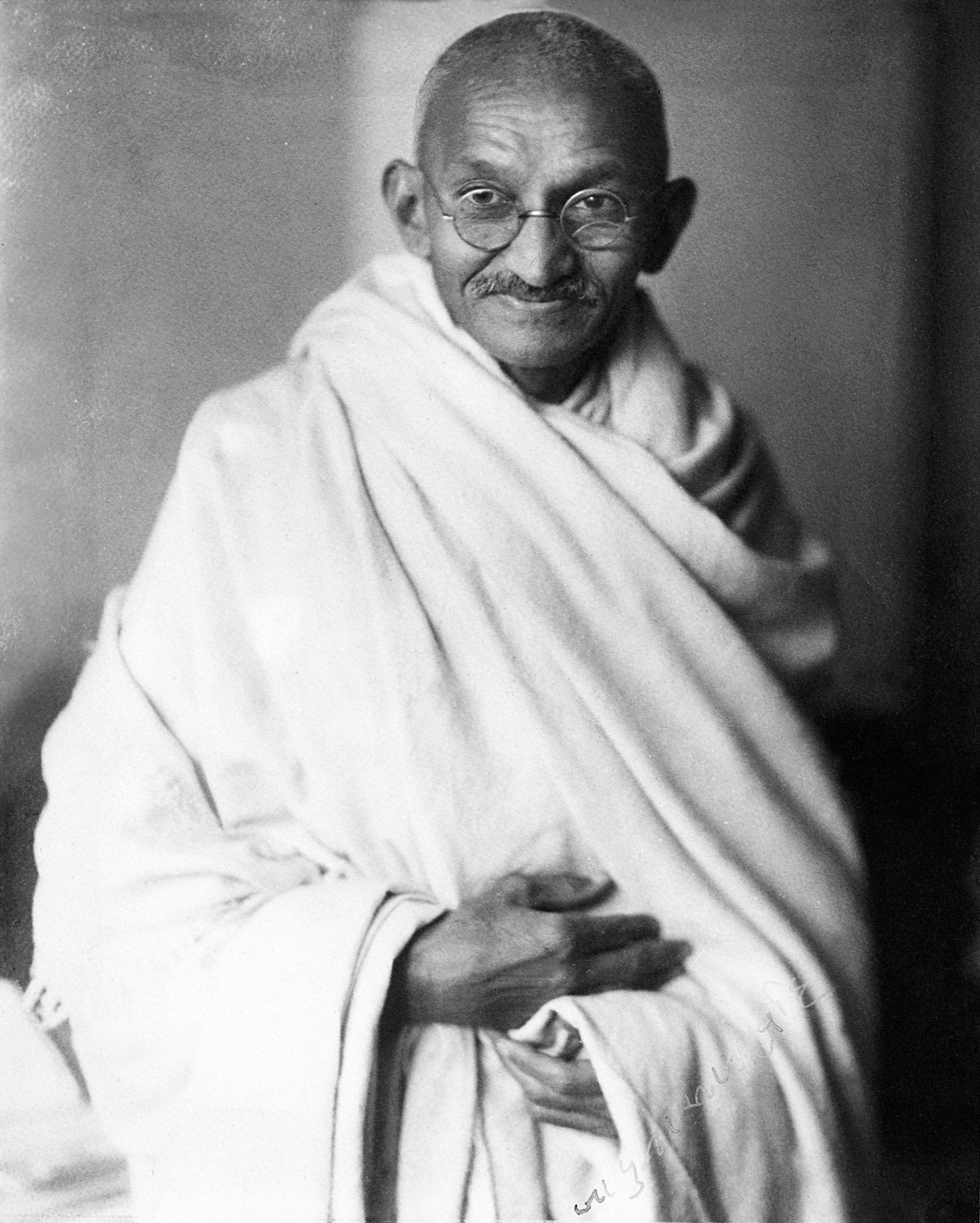
| “The earth, the air, the land and the water are not an inheritance from our forefathers but on loan from our children. So we have to handover to them at least as it was handed over to us.” -Mahatma Gandhi |
If we do not live simply, our demand will increase. Increase in demand will be reflected in increasing supply. This put pressure on the limited resources of our earth. Humans are already extracting resources in an unsustainable way.
Ecological Footprint measures the human’s demand on the Earth’s ecosystem, and currently humanity’s total ecological footprint is at 1.5 times faster as the earth can renew it. It means that one earth is not enough for humans, it need one and a half earth.
The earth unable to cope with it responds in various forms like flash flood, heatwaves, drought, rising temperature, sea level etc.
We must give back to the Earth and not only take from it. We should return the resources safely to the future generation as we got it inherited from our forefathers.
What can we do?
We can take these pledges to contribute our efforts to make our daily lives simple.
- Switch to green energy
- Heating and AC optimization
- Reduce food wastage
- Use more public transport
- Cycle and Walking
- Cook more vegetable food
- Get food from locally grown market
- Segregate household wastes
- Follow 3 R’s Reduce, Reuse and Recycle
Ilive Simply Movement
The Indian environmentalist Sonam Wangchuk has started a movement which is joined by thousands of individual around the globe. It works towards living a simple way and put less burden or pressure on the planet’s resources. Ilive simply movement makes pledge from students and various strata of society to take environmental friendly steps.
When we live simply we enjoy the little things around us. We embrace those little things which we don’t consider in our daily schedule. For example we can feed the animals around ourselves like, cats, dogs, pigeons etc. If we can feel the beauty by doing little acts of kindness, it brings peace and happiness within ourselves. Thereafter we don’t have to go to a theatre to find joy but watching a single flower in the pot makes us happy.
| “Enjoy the little things, for one day you may look back and realize they were the big things”. -Robert Brault |
Written by: Aijaz Hussain
READ MOREPopulation and Sustainable Future

Population and Sustainable Future
Ayaan’s school bus was trapped in heavy traffic which elongated for hours. The haze, smoke, and continuous beeping made the students dizzy. He could not control himself and yelled at everyone, “Why are there so many vehicles on the road?” Rehan, sitting next to him, smiled and replied softly that it was because there are lots of people in the city. Ayaan went into a deep thought. He later learned from his teacher that India has become the world’s largest populated country.
Look at this Fact!!
India hold approximately 18% of the World’s population on 2.4% of the world’s land! Doesn’t the population outweigh the land proportion?
Here is a prediction from Stephen Hawking “In the last 200 years, the population of our planet has grown exponentially at a rate of 1.9% per year. If it continues at this rate with the population doubling every 40 years. By 2060 we would be standing literally shoulder to shoulder”.
History and Objective
The World Population Day was first announced by the United Nations Development Program (UNDP) in 1989. It is celebrated on the 11th of July around the globe.
By observing this day, the United Nations look forward to address this burning issue of our time. It seeks to bring attention towards overpopulation and related events like demographic trends, family planning, reproductive health care, sustainable development goals, and climate change among all stakeholders e.g., Students, NGOs, Policymakers, Government, etc.
India and Population
India is classified as a developing country. It is the biggest contributor in the Global population share. India recently surpassed China as the world’s most populous country according to the UN population estimates. As of July 23, 2024 Indian population stands at whopping 1,442,481,630 people. (worldometer)
Population explosion and Climate Change are interconnected and have cause effect relationship. Climate Change, one of the preeminent issues of the twenty-first century is elevated by population explosion. The population in turn will be exposed to climate hazards. The burden of population explosion will be shifted more towards the developing and least develop countries as these countries will have fewer resources to tackle the threats imposed by the enormous growth in population.
The increase in population stimulates various adverse social, environmental, and global impacts. It increases strain on resources and puts pressure on infrastructure. Overcrowded cities struggle to provide housing, transportation, healthcare, and education to everyone. Cities that hold a population beyond sustainability struggle to deliver a good quality of life to their citizens and often rank top in the list of polluted cities. Indian cities like Gurugram, Noida, New Delhi, and others rank among the highest air-polluted cities.
Having been the most populated country aligned with some of the highest polluted cities, people need to be aware of the pros and cons of increasing population.
Some positive and negative effects are listed down:
 Positive Impacts:
-
A country blessed with a population enjoys a number of work forces. This workforce can be a source of potential growth engine for the economy.
-
The young generation can invest heavily in skill, talent, ideas and help thrive in innovation and entrepreneurship.
-
It leads to cultural diversity within a nation. An increase in population increases the number of traditions, customs, and languages within a society. For example, cities like Delhi, Mumbai, and Bengaluru have become melting pots of culture.
-
People’s interaction tends to increase in a society, it leads to cohesion, brotherhood, integrity and creates a sense of national identity.
Negative Impacts:
-
Overcrowding: Cities are overcrowded and compacted. There are very few empty spaces in cities. It springs many problems that we deal with in our daily lives like solid waste management problems, air, water, noise pollution, lack of ventilation, etc.
-
Water Shortages: There are too many people available and limited amounts of water. It led people to extract groundwater in an unsustainable way.
-
Ecological Overshoot: Defined as human demand exceeds the supply of an ecosystem.
-
Pressure on Infrastructure: The growing population strains infrastructure such as transportation networks, healthcare facilities, schools, and housing. It results in Traffic congestion, inadequate service, and urban sprawl.
-
Pressure on Housing: Population increases lead to demand as well as shortages of housing. Homelessness, Slums, are the results of it.
 Government – A Pivotal Player
Government plays the most important role in formulating policies targeted towards population control. From the controversial vasectomy campaign to recent population control bill in 2019, it remain in headlines. Various schemes were directed towards population control by the Indian government. Mission Parivar Vikas is one of them. Authorities should facilitate interconnecting schemes linking family planning with the health and education sector.
It remains significant in bringing awareness among the masses, especially the youth generation. This year theme for 2024 World Population Day is “Empowering Youth for a Sustainable Future” directed towards the involvement of youth in achieving sustainable development goals. India can achieve several sustainable development goals if it links them with proper family-directed schemes.
World Population day reminds us of our collective responsibility to create a balanced approach towards resources. Let’s ensure population growth doesn’t outstrip resources because the Earth is finite.
Lets keep our crunch for resources aligned with the goal of our Father of nation which said that Earth has enough resources to meet the needs of all but not enough to satisfy the greed.
Written by: Aijaz Hussain
READ MOREChartered Accountants: Pillars of Financial Integrity and Aspiration

Chartered Accountants: Pillars of Financial Integrity and Aspiration
A chartered Accountant (CA) is a highly skilled professional accountant. It is one of the most desired professions among students of Commerce. Chartered Accountants play a crucial role in the modern Financial and Economic sector of a country. Many students aspire to become a CA. They go through rigorous training before becoming a CA. The most important task of a CA is to adhere to the financial regulations and promote transparency in financial reporting.
History of this day
Each Year on July 1st National Chartered Accountant Day is celebrated to re-emphasize the importance of Chartered Accountants in accounting and financial auditing. It is celebrated in the memory of the foundation of one of the best accounting institutes of India, the Institute of Chartered Accountants of India (ICAI). It is a statutory body established under the Chartered Accountant Act 1949 to regulate chartered accounting in India.
ICAI History:
- 1913:- Appointment of Auditor (Auditor of East India Commission’s account book)
- 1918:- Course started named as Government Diploma in Accountancy
- 1930:- Proper Registered Accountant were listed down
- 1949:- Chartered Accountant Act and ICAI was established.
This way it becomes the oldest professional body established right after Independence. ICAI is one of the biggest accounting organizations in the world.

Importance of this day and its role
It reminds us of the important role CA’s play in the Financial and Economic realms. This day also reminds the accountants of their responsibility to uphold the highest professional and ethical standards.
The Chartered Accountants are experts in their domains, like auditing, taxation, accounting, financial analysis, risk management, and corporate laws. They deal with Debt management, loans, insurance, taxation, saving, donation, balance sheet etc. They provide valuable insights and advices on these matters to companies and government. It provides input on policy matters to the government. Therefore they are trusted advisors who are instrumental in shaping business strategies.
How do I become a chartered Accountant?
 To become a chartered Accountant is an uphill task. But with a lot of hard work and dedication, it can be made possible. An entry level test is conducted by the ICAI for Chartered Accountancy.
Eligibility: – Students can register for CA Foundation after passing class 10th and appear in the foundation exam after qualifying class 12th exam.
Course Duration: The chartered Accountancy is a 4½ year course via the foundation route after passing 12th class or approx., 3 years via direct entry after graduation.
It has three stages – Foundation, Intermediate and Final. These stages have the following exams:
- CA Foundation Exam
- CA Intermediate Exam
- CA Final Exam.
Chartered Accountant if work professionally and ethically can undoubtedly elevate the country’s financial health and stability. The demand for Chartered Accountants in India is growing, thanks to the growing trend of the corporate sectors. India is also becoming a global economic player, its vision to become the third largest economy in the world by year 2047, makes the scope of Chartered Accountants even larger.
Written by: Aijaz Hussain
READ MORENational Doctor Day

National Doctor Day
Why Health is Wealth?
You might have heard of this quote which says Health is the greatest wealth. Why Health comes under essential services? Why has the Gym become so popular in modern-day life? It is because a healthy personality exists in a healthy body.
 Do you know that we celebrate Doctor Day in memory of the great Physician Dr. Bidhan Chandra Roy?
- He was a physician, freedom fighter, educationist, and a political leader.
- He was a friend to our father of nation; Mahatma Gandhi.
- He won the highest civilian award: – Bharat Ratna
We celebrate Doctor Day in memory of this great Physician in India. It reminds us the immense contribution of Doctors and Healthcare workers to our healthy lives.
Indian Health Care System
As per the Ministry of Health and Family Welfare, India’s ratio of Doctor to Patient is 1:834. This ratio is better than the World Health Organization’s recommendations of 1:1000. However, the government data includes the Allopathic doctors and Ayush doctors along with the medical doctors.
India’s Potential in Health Sector
India sometimes known as “The World’s Pharmacy” as it produces Life-saving drugs and essential kits to the world at cheaper prices. Hyderabad city of Telangana famous for producing Pharmaceuticals is tagged as “Vaccine capital of the world”. India recently became part of a global vaccine-producing alliance called Gavi. We are welcoming modern technologies like Telemedicine in the field of medical systems. This will boost rural accessibility and inclusivity. New medical colleges are being set up across the states. 23 AIIMS have been planned to set up in different states. 20 of them are currently operating. Indian healthcare is expected to grow in the future, as factors like insurance access, income rise, health consciousness, and awareness are on the rise.
India is well known for medical tourism. According to Medical Tourism Magazine India ranks 6th in the medical tourism Industry.

Reasons for having low medical doctors: – Several Studies suggest lack of doctors at Primary Health Care across states contrary to the government claims. The Demand – Supply gap has persisted in India for a long time. Despite the increase in Undergraduate and Post-Graduate seats in medical colleges.
Few Medical educational institutes: – Most of these institutions are privately owned and charge exorbitant fees. It restricts the lower and middle-class income from pursuing a career.
Emigration: – The lack of living standards and Infrastructure compel the brightest doctors to fly outside the country.
Low Health Care Spending: – India spends approximately 2.5% of its GDP on Healthcare compared to the developed nation which spends mostly in double digits on its health care system.
The need of the hour?
More Medical Institutes: – Govt should increase the number of medical institutions to increase medical seats. The government should pay equal focus on producing quality as well as quantity doctors.
Percentage of GDP on Healthcare:- The Government should increase the percentage of GDP on medical care and make care accessible to all sections of society.
Transparency of Exam Administration: The examining body should be transparent in its selection process. Recent NEET scam pointed towards the deteriorating nature of the selection process.
Pandemic: – Global healthcare has been severely criticized for the failure to detain the coronavirus pandemic. Indian Healthcare struggled too. The loopholes in the Indian health care system were clearly visible as Human resources and infrastructure were running in shortages. The Ministry of Health and Family Welfare (MoHFW) puts the death toll in India at more than fifty-three Lakh.
This was not the first-time humanity faced a pandemic on such a large scale. Spanish Flu, which was declared a Pandemic in the Past, caused the death of approximately 5.4% of the population globally. There might be another one right in the corner. We should always be ready for this cyclical process. Therefore, lessons from the past and effective implementation in the future become crucial.
Government Efforts
Indian Government is successfully running many schemes for the healthy development of its citizens. Some noteworthy schemes are named as Pradhan Mantri Bharatiya Jan Aushadi Pariyojna (PM-BJAP), Pradhan Mantri Jan Arogya Yojna (PM-JAY).
These schemes are launched to provide affordable and quality medicine to the public. However, all these initiatives without a considerable number of doctors cannot be successful. The need of the education system today is to nurture doctors for a healthy tomorrow. It will help India achieve the third sustainable development goal ‘good health and wellbeing’ propounded by the World Health Organization.
Written by: Aijaz Hussain
READ MOREEMPOWERING MINDS FOR A BRIGHTER FUTURE

CELEBRATING NATIONAL EDUCATION DAY: EMPOWERING MINDS FOR A BRIGHTER FUTURE
National Education Day is an occasion that holds great significance in the journey towards fostering a well-educated and empowered society. Celebrated annually on 11th November, this day commemorates the birth anniversary of Maulana Abul Kalam Azad, the first Education Minister of independent India. It serves as a reminder of the invaluable role education plays in shaping individuals and, consequently, the nation’s destiny.
 The Significance of National Education Day: National Education Day is not just a celebration; it is a reflection of the nation’s commitment to promoting education as a fundamental right and a powerful tool for socio-economic development. Maulana Abul Kalam Azad, an eminent scholar, freedom fighter, and visionary leader, played a pivotal role in laying the foundation for the education system in India. His contributions are commemorated through this day, inspiring the nation to continue the pursuit of knowledge and enlightenment. On National Education Day, it is essential to acknowledge and celebrate the achievements in the field of education. Schools, colleges, and educational institutions across the country organize events and activities to showcase the talents and accomplishments of students. This celebration serves as a platform to recognize the efforts of educators, researchers, and policymakers who contribute to the growth and improvement of the education system.
 Empowering the Youth: Education is a powerful tool for empowering the youth and preparing them to face the challenges of the modern world. National Education Day provides an opportunity to reiterate the commitment to providing quality education that equips students with the skills and knowledge needed to thrive in a rapidly changing global landscape. It is a day to emphasize the importance of inclusive and accessible education, ensuring that no one is left behind. In the spirit of National Education Day, there is a heightened focus on promoting innovation and research in the education sector. Educational institutions are encouraged to foster a culture of curiosity and critical thinking, paving the way for groundbreaking discoveries and advancements. By investing in research and development, the education system can adapt to the evolving needs of society and contribute to technological and scientific progress.
Addressing Challenges: While celebrating the successes of the education system, National Education Day also serves as a platform to address the challenges and gaps that exist. It encourages a collective effort to overcome obstacles such as inadequate infrastructure, unequal access to education, and outdated curriculum. By recognizing these challenges, stakeholders can work collaboratively to implement reforms and ensure that education remains a powerful force for positive change.

National Education Day is not just a day of celebration; it is a call to action. It is a reminder of the transformative power of education and the collective responsibility to ensure that every individual has the opportunity to learn and grow. As we commemorate this day, let us renew our commitment to building a nation where education is not just a privilege but a fundamental right, empowering individuals to contribute meaningfully to society. Through collaborative efforts, we can continue to nurture minds, inspire innovation, and shape a future that is bright and promising for all.
Written by: Mohd. Talib Khan
READ MOREERADICATING GLOBAL POVERTY

Eradicating Poverty: A Global Imperative and Islamic Perspective
17th October is the International Day for the Eradication of Poverty, this day offers an invaluable opportunity for all of us to acknowledge the relentless efforts and hardships face by individuals living in poverty. This day serves as a platform for all poor to voice their concerns, amid our bustling lives that often revolve around our pursuits for a better and more luxurious existence, with many of us ensnared in the web of social media.
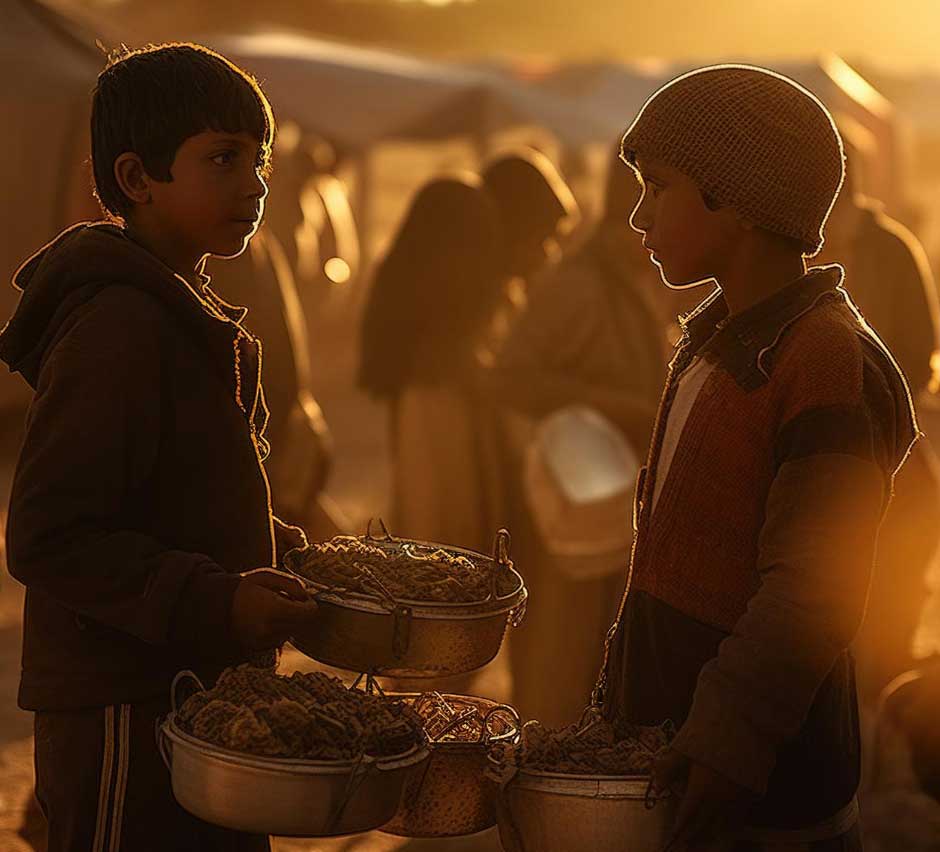 At its core, the International Day for the Eradication of Poverty has always emphasized the active involvement of impoverished individuals in its commemoration. This underscores their determination to utilize their knowledge and experiences to contribute to the global endeavor of eradicating poverty. According to World Bank, Poverty is pronounced deprivation in well-being, and comprises many dimensions.
Eradicating poverty is not only a moral implication but also essential for global peace and stability. Several interconnected reasons highlight the critical relationship between poverty eradication and world peace:
Reducing Inequality: Poverty is often a result of extreme income inequality. When a significant portion of a population lives in destitution while a small segment enjoys immense wealth, it creates resentment and social unrest. Reducing poverty helps in bridging the wealth gap, which is a crucial step in maintaining social harmony.
Preventing Social Unrest: Poverty is a breeding ground for social unrest and conflict. By addressing poverty, nations can reduce the conditions that lead to civil strife and instability.
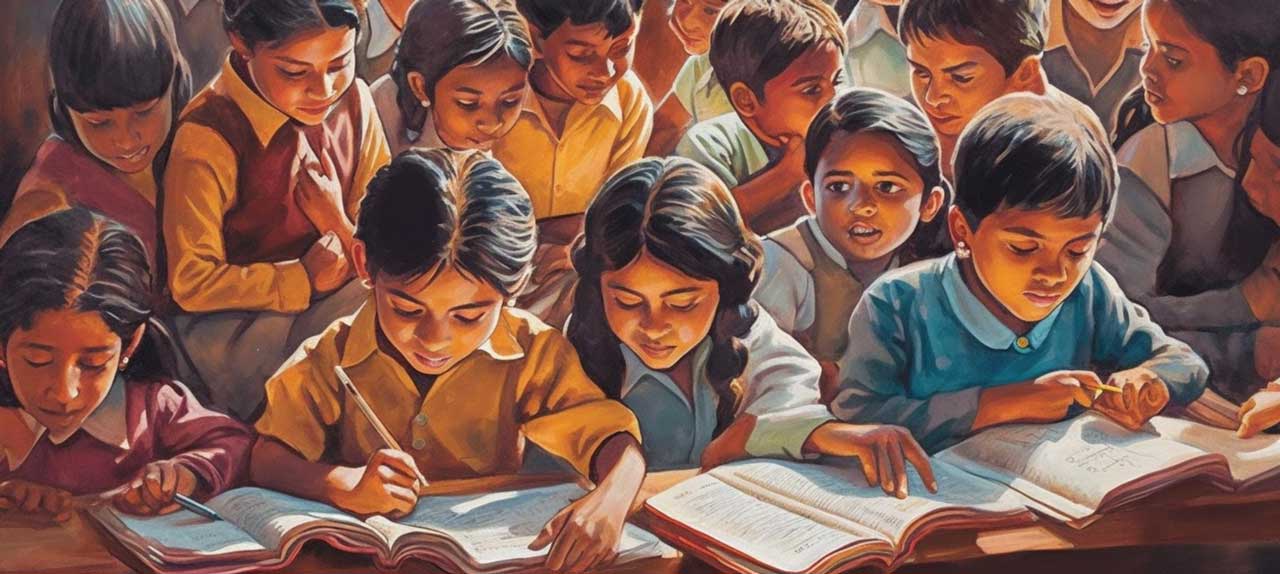
Promoting Education: Poverty often restricts access to education, and an uneducated population can be vulnerable to misinformation and radicalization.
Economic Stability: Poverty weakens a nation’s economic stability and make it more prone to making a nation more resilient in the face of external shocks and crises, including conflicts and wars which we have witnessed in many African nations recently.
Human Dignity and Social Justice: Poverty represents a violation of basic human rights and dignity.
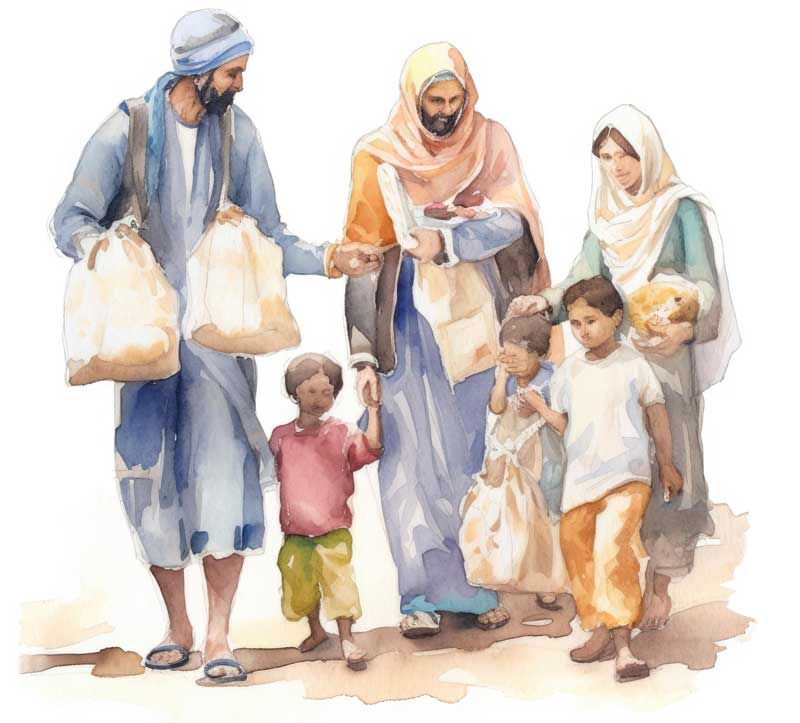 ISLAM PERSPECTIVE ON POVERTY: Islam seeks to address and eliminate all forms of deprivation, emphasizing the importance of ensuring the welfare of all members of the community. Zakat, one of the Five Pillars of Islam, holds profound importance for addressing poverty. It stands as a beacon of societal welfare, highlighting the obligation of wealth redistribution among masses.
Moreover, we can grasp the significance of reducing poverty by understanding that when an economy experiences inflation, people often struggle with reduced purchasing power. This downturn in consumer spending which in turn lead to decreased production within the economy, ultimately affecting overall GDP.
Thus, mechanisms like Zakat and Sadaqah are vital to ensure that impoverished individuals receive the necessary resources to meet their basic needs, such as food and clothing.
Narrated by Abu Hurayrah: The Prophet Muhammad (ﷺ) used to say: “O Allah, I seek refuge in Thee from poverty, lack and abasement, and I seek refuge in Thee lest I cause or suffer wrong.” – Sunan Abi Dawud 1544
 Islamic finance plays a pivotal role in the battle against poverty. It offers alternatives to conventional banking systems, such as interest-free loans and shared-risk investment models. Islamic financial institutions prioritize investments in sectors that uplift marginalized communities, foster job creation, and promote sustainable development. This, in turn, facilitates inclusive economic growth and serves as a powerful instrument in the quest for poverty eradication.
Written by: Mohd. Talib Khan
READ MOREQUALITY SLEEP: THE FOUNDATION OF WELL-BEING

Quality Sleep: The Foundation of Well-Being
During the recent Teachers’ Day event at MS Education Academy, the chairman Mohammed Lateef Khan, delivered a compelling address emphasizing the significance of quality sleep and shedding light on the adverse consequences of excessive phone usage, particularly during nighttime. He drew attention to the alarming trend of sacrificing precious sleep in favor of entertainment on mobile devices and excessive engagement with various social media platforms.
Consequences of Excessive Phone Usage:
 Sleep Disruption: The blue light emitted by screens can disrupt the body’s natural sleep-wake cycle, making it challenging to fall asleep and stay asleep.
Reduced Productivity: Late-night phone use often leads to fatigue and reduced productivity the following day, negatively impacting students’ academic performance and teachers’ ability to instruct effectively.
Mental Health Impact: Excessive screen time can contribute to feelings of isolation, anxiety, and depression, especially when individuals engage in unproductive or negative interactions on social media platforms.
Prominent figures prioritize quality sleep for its profound impact on overall well-being and performance, a pitch-dark bedroom ensures restorative sleep. Athletes like Khabib Nurmagomedov incorporate short naps before intense training sessions for recovery and peak physical condition during fights. These examples underscore how diverse individuals recognize quality sleep’s fundamental role in success and vitality.
Incorporating quality sleep into daily routines is a simple yet powerful step toward better health, increased productivity, and enhanced performance. It’s a universal truth transcending age, profession, and lifestyle, highlighting the importance of a good night’s sleep.
To ensure you get quality sleep, it’s advisable to avoid screens and cell phones at least 2 hours before going to sleep. This is especially important for kids and if your kid needs some kind of personalized treatment and if you happen to be in Hyderabad, you can reach out to Islaah Centre For Psychological Wellness. They are dedicated to helping children and teenagers with their mental health.

Pivotal Role of Sleep:
- Cognitive Function: Adequate restorative sleep enhances cognitive functions such as memory, problem-solving, and creativity, which are essential for both students and educators.
- Physical Health: Sound sleep is crucial for maintaining a robust immune system, proper digestion, and overall physical health. It also aids in regulating body weight.
- Emotional Resilience: Sufficient sleep fosters emotional stability and resilience, reducing stress, anxiety, and the risk of mood disorders.

Indeed, prioritizing quality sleep is essential for a healthier and more energized life. Here are some ways to keep this in mind and ensure you get the sleep you need:
- Establish a consistent sleep schedule and try to go to bed and wake up at the same time every day, even on weekends. This helps regulate your body’s internal clock.
- Create a comfortable sleep environment by ensuring your bedroom is conducive to sleep.
- Watch your diet by avoiding heavy meals and caffeine close to bedtime.
- Engaging in regular physical activity can promote better sleep as your body gets tired and needs rest to recover.
Written by: Mohd. Talib Khan
READ MOREBUILDING A BRIGHTER FUTURE FOR ALL

Building A Brighter Future for All
 Hi, Readers!
Today, we are going to discuss the topic of literacy and its overall impact. But, before we proceed, it’s essential to understand the magnanimity of the global literacy issue.
Despite the hard work by all countries as well as UN towards advancing literacy worldwide, formidable obstacles remain in our path. Millions of individuals, particularly in developing nations of Asia and Africa continue to be in a zone of limited access to quality education and fundamental literacy initiatives. Gender inequities persist, with women and girls bearing the largest burden of literacy. Furthermore, the digital divide has introduced fresh challenges, as our increasingly technology-dependent world demands greater digital literacy for effective communication and access to information.
But why are we talking about literacy today?
 Actually, every year on September 8th, the globe comes together to celebrate International Literacy Day. This significant occasion serves as a global reminder of the undeniable role literacy plays in every human life be it a citizen of a developed or a developing country. This day’s main goal is to raise awareness about literacy challenges both locally and globally established by UNESCO in 1966. International Literacy Day aims to bring the issue of illiteracy closer to home, emphasizing that literacy starts with individuals and communities, one person at a time. On this day, we can take proactive steps, such as utilizing platforms like MYJO smart schooling, Its vision is to have access to quality education for every child, every home, You can learn more about MYJO smart schooling here https://myjoschool.com/
For 2023, the theme of International Literacy Day is “Promoting literacy for a world in transition: Building the foundation for sustainable and peaceful societies.” This theme underscores the critical role literacy plays in shaping the future and fostering sustainable and harmonious societies. Consequently, literate individuals typically earn higher incomes and experience improved overall health. Moreover, the United Nations reports a prevalence of more negative attitudes towards women in societies with lower literacy levels.
 The Plight of Women and Girls: While almost 83 per cent of women and girls globally possess the ability to read and write, a stark gender disparity persists. Shockingly, two-thirds of all illiterate individuals in the world are female. This stark inequality arises due to various factors, including limited educational opportunities for girls. Many times, parents are concerned about the safer and good learning environment for their daughters in India. MS Education Academy provides a safe and good environment for your daughter to learn and grow in life to become an empowered citizen of the nation. https://mseducationacademy.in
When a girl gets a good education, she becomes an active contributor to a nation recent example is the Nigar Shaji a 59-year-old scientist from Tamil Nadu. She holds degrees in electronics and communication engineering and has been with ISRO since 1987, serving in various key roles. Shaji’s remarkable journey culminated in her appointment as the project director of Aditya-L1, and she has also led the Satellite telemetry center at ISRO.
This International Literacy Day, let’s joins hand together for universal literacy and education, with a special emphasis on downtrodden sections of society. By ensuring quality education as a universal right, we can break down barriers and can BUILD A BRIGHT FUTURE FOR ALL.
Written by: Mohd. Talib Khan
READ MOREHONORING THE GUIDING LIGHTS OF KNOWLEDGE
Honoring the Guiding Lights of Knowledge
Teachers play a crucial role in shaping not only students’ academic progress but also their moral and ethical development. Their influence goes beyond the classroom premises and significantly contributes to the creation of a peaceful and harmonious society. They contribute to various aspects of personal growth, social progress, and the advancement of knowledge among the future builders of our nation.

Imagine an outstanding school where teachers actively promote peace education. They seamlessly incorporate peace-related topics into the curriculum, organize conflict resolution workshops, and inspire students to participate in community service initiatives. One remarkable day, a group of students decides to address a local environmental concern by organizing a tree-planting event. With the unwavering guidance of their teachers, they involve the community, collaborate with local authorities, and successfully plant hundreds of trees, enhancing the environment and instilling a sense of unity and environmental responsibility. This initiative sets an example of creating a more peaceful and sustainable society by the guidance of teachers.
Significant Contributions of Teachers in a student’s life:
- Values Education
- Social and Emotional Learning
- Civic Education ️
- Global Citizenship
- Building Inclusive Communities
- Empowering Critical Thinkers
Teachers’ Day in India is celebrated on the birth anniversary of Dr. Sarvep alli Radhakrishnan, a distinguished philosopher, scholar, and the second President of India. Dr. Radhakrishnan was not only a renowned teacher but also a person who is strong advocate for education especially for young ones. His deep commitment to the field of education led to the establishment of Teachers’ Day in his honor. Dr. Sarvepalli Radhakrishnan believed that teachers illuminate the lives of all students.
Teaching is universally recognized as one of the noblest professions due to its pivotal role in educating society and fostering a nation’s growth. Teachers go beyond merely delivering lessons; they mold young minds into responsible, informed citizens, serving as exemplars and deserving of our utmost respect and gratitude. At MS Education  Academy, we wholeheartedly acknowledge the profound contribution of teachers to society. In our institution, we celebrate teachers day annually on the 5th of September, a day dedicated to recognizing their invaluable role. The festivities encompass a diverse range of activities and programs that commence several days before the grand celebration. Moreover, in keeping with modern times, we live-stream the celebration on platforms like YouTube, allowing a wider audience to participate in this heartwarming tribute to our dedicated educators. We extend our warm invitation to you to join us in this celebration as we pay homage to the teachers who shape our children future.
Teacher’s Day in India is a wonderful occasion to celebrate the bond between teachers and students. Schools, colleges, and universities organize various activities, games, and gatherings for teachers on this special day. Students perform acts, dances, recite poems, sing songs, and present handmade greeting cards, gifts, and flowers to express their gratitude and make teachers feel cherished and valued. It’s a day to honor the dedication and contributions of teachers in educating and inspiring the future of the country.
Written by: Mohd. Talib Khan
READ MORE