
Ageing with Dignity

Ageing with Dignity
Introduction
Who are Senior Citizens?
Census 2011 regards citizens over sixty year as senior citizens.
What is the share of senior citizen in the total population?
The same census hold the data that senior citizen comprises 8.6% of India’s population and their share is expected to grow to 21% by 2050.
History
Do you know that we are celebrating the Thirty fourth anniversary?
It all began with the initiative of United Nation General Assembly in 1990 to raise awareness on increasing issues faced by the older people across the world, fueled by modern socio-economic changes. It rewinds the population that being old is a part of life and dismiss the stereotypical attitude develop towards the elderlies. This year we are celebrating the 34th anniversary aiming towards strengthening care and support system for older persons worldwide. There will be dedicated sessions to highlight the importance of geriatrics and gerontology with focus on the global shortages of care workers and recognize the contribution of caregivers.
How do we celebrate in India?
India celebrates in its own fashion. We celebrate it as Vayoshreshtha Samman (Respect for elders) with the same zeal and vision across the globe. An annual award ceremony is organized by the Ministry of Social Justice and Empowerment to honour the contribution of older person towards society.
Contribution of Older Person in society
 The contributions of the old generation are innumerable and cannot be counted. However some of the important contributions make them very specialized.
They are treasures of knowledge and experiences: We can say that they have almost completed their course of life. They have gone through significant historical events in their lifetime. They have acquired first-hand knowledge and experiences that are beneficial for the young generations.
They provide emotional support unconditionally: Grandparents support the family by taking care for the grandchildren as well as supporting them emotionally throughout their lives in ups and downs.
The old age person mostly contribute to the development of society through their voluntary work. They provide backup to various sectors in society through their unpaid works.
Older people has greater sense of belonging to their local area than younger people. This checks rapid urbanization and immigration too. They have a connection with their environment. They divert their time to take care of nature around them which help in greenery and combat climate changes.
Many Community Services relied on the older people. They render their services in essential sectors that helps in maintaining a good health and well-being of the citizens like Municipals, Sweepers, Maid, librarian etc. These are just some manifest and bold contributions of the elderly people. However there are endless latent functions of the age old generations.
Problems faced by the Elders
- Age discrimination: There are moments when the older generations are discriminated on the pretext of their age. It could be their near ones at home or the colleagues in offices. They face harassment because of their vulnerability.
- Social Exclusion: In some societies old age people are regarded as a burden on the resources. They are being left to the mercy of NGO’s and community services.
- Elderly Abuse: Elders are abused by their near ones in property issues and other family affairs.
- Ageism problem: The ageism phenomena brings psychological stress among the elders. It commences co-morbidity at a stage when they are vulnerable physically and emotionally.
 Stereotypes: There are various stereotype associated with older people. They are regarded as economically dependent and unproductive. However they neglect their contribution on the larger humanitarian scale.
- Geriatric care: They depends on pensions. The increase in spending on health and care makes them dependent on their family members.
- Loneliness: Most of the older people feel loneliness after a certain point of time.
- Powerlessness: It is one of the sensitive stages of life. Physical and mental weakness is associated with it. They demand Utmost love, affection and care which is not available in most of the modern family structures.
- Feminisation of ageing: Population of elderly women is more than male. Thus the old feminine is on the edge of double susceptibility.
- Migration: Migration of young working age from rural areas makes the older generation emotionally disconnected with their children and grandchildren. A gap is created between the generations which widens with time.
- Health: They are affected with Disabilities and Co-morbidities. Robust Geriatric care is needed to ensure their safety, well-being and a dignified life at a later stages.
- Social Issues: There is a profound lack of misunderstanding between different generations. Because there is a different world order after every decade or so. The environment significantly changes across generations. Therefore the two generations think differently and find difficulty in agreeing with one way of thinking.
- Digital exclusions: There are various sectors from which the older generations are being excluded or they are not having access. One of the sector is digitalization. They are digitally less accessible.
|
“Aging is not ‘lost youth’ but a new stage of opportunity and strength.” |
How to Tackle?
- Financial stability and Security should be maintained so that they become less dependable on others. Indra Gandhi National Old Age Pension Scheme is a protection directed towards the senior citizens. Amount provided should be increased with the rise of price in goods and medicines.
- Community gathering and reasonable means of entertainment brings the senior citizens together on a platform and they get out of boredom.
- By securing them against cyber threats which they are often targeted.
- Creating environments that are both safe and flexible according to their needs.
- Maintaining social connection with the senior citizens, friends and neighbors. Keep regular touch with them and listen to their problems and address them.
Acts dealt with misbehavior with Elder citizens
Do you see children abandoning their parents in your area?
If someone does, it will punished legally in our laws.
Maintenance of Parents welfare Act 2007
- Senior citizen defined above 60 years in this act too.
- Parent or senior citizens are entitled to get maintenance from their children or heir. They can be Biological, Adaptive or Step parents.
- Punishment clause for abandoning parents are provided in this act.
United Nation’s decade on Healthy Ageing
The UN vision of keeping the last decade of the Sustainable development goal aims to connect with the development of Healthy Ageing across population.
Islamic Point of View
 Islam gave emphasis on the rights of parents especially in the old stages of life. As the parents turns towards old age, the children turns towards the youth stage of life. There is an imbalance of power in between and the reversal of responsibility likewise. The onus of care shifts to the children’s shoulders when the parents grow old. Allah crafted this cycle beautifully in the following verse of the holy Quran.
It is Allah Who created you in a state of weakness, then developed ˹your˺ weakness into strength, then developed ˹your˺ strength into weakness and old age. He creates whatever He wills. For He is the All-Knowing, Most Capable. (Surah Ar-Rum; Verse 54)
Citing the beginning data of the Census on the share of senior citizens in the overall population, there should be various policies directed towards the welfare of senior citizens. The increase in the number of elderly people will be reflected in the constraint of resources in hand to tackle the issues. Robust health care infrastructure, particularly focusing on geriatric care and mental health care is the need of the time. Socialization of children through value based education along with modern education will secure a future that will be a key to many problems.
| “The wiser mind mourns less for what age takes away than what it leaves behind.” – William Wordsworth |
Written by: Aijaz Hussain
READ MOREEngineers: The Architects of Urban Planning

Engineers: The Architects of Urban Planning
Who is the “Father of Indian Economic Planning”?
Hint :- You might be familiar with his name in relation to the Planning chapter of Economics!
Yes! You got it. It is M. Visvesvaraya. He is known as an early practitioner of economic planning, and he is regarded as the first person to think of economic planning after independence. He was a Bharat Ratna awardee and was a great engineer of his time. He was conferred a title by the Britishers for his contribution to public goods.

Engineering Marvels
What is common between the wonders of the world like the Taj Mahal in India, the Pyramids of Egypt, the Great Wall of China. They all reflect the engineering marvel of their era. These specimens of engineering and architecture that depict the culture, tradition, history, and innovations of their time. They carry the mysteries of efficient usage of science and technological techniques to build their monuments to an extent that the modern engineers awe. These are a great source for the historians and serve as a primary source and an open book to study the ancient and medieval past.
Engineers changed the course of history
 Engineers change and shape our modern world. We cannot think of a modern world without them. The developments in technology and infrastructure are the results of their immense hard work. They contribute to building infrastructure that connects spaces in no time, making the world a global village.
Let’s talk about some innovations that changed the course of time.
Thomas Alva Edison was a remarkable inventor who invented many modern technology. His most famous invention is that of the light bulb, which has become an essential component in our daily lives. He says, “To Invent, you need a good imagination and a pile of junk.”
Thomas Newcomen is credited with inventing the first commercially usable steam engine. Later on, other inventors poured their experiences into it to enhance its accuracy. The steam engine used in railways significantly changed the transportation system across the world, especially when the colonial Britishers introduced it into the colonies.
Johannes Guttenberg’s Printing Press made mass production of books easy. This helps in dissemination of knowledge from the hands of religious preachers to the general public. Ideas, knowledge, education become the part of general public with the removal of monopoly held by few sections of society.
Indian Glorified Past
 There were many empires that provided patronage to the development of art through building architecture and sculptures. Empires like Gupta, Cholas, Hoysalas, Mughals are some of the examples. Some of the famous works engraved and constructed with high precision and detail are the Kailash Temple, Meenakshi Temple, Ajanta Caves, Qutub Minar, etc.
Kailash Temple is a rock-cut architecture carved from an entire mountain with beautiful sculptures and intricate designs. This monolithic structure is mainly called an Ancient Architectural Wonder! The detail chiseling of a mountain into a temple surrounded with deities like Shiva makes a visitor ponder over the resources the sculptors had access to in the eighth century.
In medieval times, many monuments have been developed. One such monument is the Qutub Minar, which still reflects the ingenuity of the engineer’s exceptional knowledge to keep it firm and is still against time’s ruthless actions over it.
Role of Engineer in Urban cities.
 Engineers shape our surroundings profoundly. It has an impact on our daily lives. The roads that we used to ride our vehicles, the bridges that we used to cross rivers, the buildings that we live in all emanate from the creative minds of engineers. We are actually surrounded with engineering work that we hardly recognize in our daily lives. Had it not been there, our day-to-day commutes would have been stalled.
Burj Khalifa, the tallest building, is one of the modern specimens of engineering techniques coming together. Urban landscape cannot be imagined without their role, as planning is the crux of urban development, and engineer’s role is magnificent. They turn ideas and imaginations into real structural creativity. Take this quote for example.
| “Scientists investigate that which already is; engineers create that which has never been.” -Albert Einstein |
Civil engineers develop the urban infrastructure in a way that it becomes habitable for all. It takes account of various socioeconomic and physical parameters while developing urban spaces where people can live and enjoy a decent life. Waste management is another important aspect of urban planning where engineers provide efficient and sustainable ways to treat waste.
The transportation system needs robust infrastructure like road links, railway tracks, and big complex airports. Modern engineers shapes these infrastructures but face various challenges to make transportation more sustainable, and they have come over various techniques to build corridors for the movement of animals, thus making the system more efficient and sustainable.
 Environment Sustainability is the need of the hour. Engineers ensure sustainability by building energy-efficient housing. They contribute through various techniques to build energy-efficient technologies and ensure green infrastructure to help sustain the environment in a rapidly urbanized and industrialized era.
The heavy responsibilities of engineers demand continuous pouring of their creative solutions from their minds to create solutions to the problem by considering all factors that affect our modern society. They provide innovative solutions to the problems through the lenses of sustainability and longevity that aesthetically appeal to us.
Their ability to break complexity into simplicity provides an inclusive environment approachable to every section of society. We should felicitate and cherish their contribution, which we don’t feel but we use innumerably in our day-to-day lives.
| “What we usually consider as impossible are simply engineering problems… there’s no law of physics preventing them.” -Michio Kaku |
Written by: Aijaz Hussain
READ MORELiteracy: Imperative for Understanding and Peace

Literacy: Imperative for Understanding and Peace
| “Literacy is a bridge from misery to hope.” – Kofi Annan (Former UN General Secretary) |
Hi Readers
Did you watch Amir Khan’s movie “Tare Zameen Par”? There is a child character (Ishaan) who cannot figure out the letters written in the books. The letters walk, play, and dance in his eyes. This difficulty with reading and writing is due to the rare disease called dyslexia. It is a specific learning disability that affects reading and language processing. The task of reading itself is an uphill task which is the beginning hurdle for many children.
The next stage of reading is comprehension—the ability to understand the spoken language. It is one of the most challenging tasks for children. Many students can study, but they can’t comprehend the intended message. This difficulty level works as a push factor for a number of students that drive them out of schools.
The most difficult task is decoding. The printed words should turn into spoken words in their heads. This decoding process stands to be the complex level. When children were asked questions orally in a survey, they are three times likely to answer them correctly compared to questions printed on paper.
Another layer are those students who cannot enroll at the very first instance. There are many children who are out of school due to various personal, social, and other reasons. It can be poverty, patriarchy, ethnic conflicts, terrain problems, lack of resources, pandemic, etc.
History
 The importance of literacy was first observed at the United Nations Educational Scientific and Cultural Organization’s (UNESCO’s) General Conference in 1966.
International Literacy Day is celebrated locally, nationally, and globally. Each layer has its own unique problems that have to be overcome to achieve literacy. On the national level, there should be certain provision that is directed towards achieving literacy in various regions. Like the rights to education inserted into Article 21 in the fundamental rights of our constitution, making compulsory education for all children from age six to fourteen.
At the global level, it directed to examine the problems pertaining to literacy in multilingual settings and improve coordination between organizations and countries to make laws, programs, and governance for easy accessibility of knowledge across different languages. UNESCO felicitates the program and schemes directed towards making education available to citizens in their respective countries.
The rapid cosmopolitan world with heavy immigration has led to the importance of multilingualism and adopting global citizenship. This idea is reflected in the Literacy Day 2024 theme, “Promoting Multilingual Education: Literacy for Mutual Understanding and Peace.”
Literacy in India
The definition of literate person according to the Census of India is a person aged seven and above who can both read and write with understanding in any language.
Literacy Facts
- 2011 Census rate of Literacy in India stands at: 73% (Male literacy outweighs female)
- Statewise Kerala has the highest literacy followed by Mizoram.
- Bihar had the lowest literacy among states.
 Inclusive Education: The right to education in India aims to ensure everybody have the access to quality education. It aims to achieve the basic human and civil rights for all. The National Curriculum Framework for School Education (NCERT, 2005) has recommended inclusive schools for learners. To achieve inclusive education, we need various steps to be taken toward inclusiveness in curriculum, classrooms, learning environments, peer groups, teacher, and student relations. Inclusivity means moving away from the rigid textbook to other innovative approaches like cooperative learning, critical thinking, problem solving, and the inculcation of various other modern methods of teaching in the curriculum.
Inclusive, on the other level, is the inclusion of various disabilities into mainstream educational settings. The Integrated Education for Handicapped Children (IEHC) program launched in 1974 is considered the first formal step towards inclusion.
Inclusive Education for Children with Special Needs (CWSN) ensures they receive equitable educational opportunities alongside their peers. Moreover, there are various trusts and organizations that are actively engaged in making education accessible to all, especially the vulnerable sections of society. Examples: Sankalp, iGive Foundation, Aangan Trust, Pratham, etc.
Poverty: Impact on Literacy
 The basic amenities of life like food, water, and shelter are fundamentals of life. Without having enough food to eat, one cannot get an education, and poverty will compel him to work for his sustenance of life. A good resource in hand makes sure that one can get a qualitative education. The onus of eradicating poverty collectively lies with the government of the time.
Poverty is rampant in India, and it restricts millions from attaining education. Poverty reinforces a cycle of educational, economic, and social disadvantage. There is a unique poverty associated with India called “Churning Poverty,” wherein the individual moves frequently in and out of poverty. It is responsible for frequent dropouts from school and remaining backward as compared to their classmates. We are striving towards achieving Sustainable Development Goal which focuses on literacy and education. UNESCO declared that we will achieve universal literacy by the year 2060.
The first step on the ladder of literacy can take you to the higher realms of knowledge. The beginning step counts as the most important. Basic literacy is the first step towards gaining other forms of literacy like financial literacy, health literacy, media literacy, visual literacy, cultural literacy, audio literacy, technological literacy, etc. Literacy is the basic necessity of life in this rapidly changing world where we are surrounded by gadgets and technology. The following quote sums up the importance of digital literacy in the modern world.
| “Soon the digital divide will not be between the haves and the have-nots. It will be between the know-hows and the non-know-hows.” – Howard Rheingold |
Written by: Aijaz Hussain
READ MORETeachers: The Architects of Education System

Teachers: The Architects of Education System
Nostalgic Schooldays: Do we all have nostalgic memories of our school days?
The old school day memories accompany us throughout our life journey. Memories of moments with our classmates and teachers frequently resurface in our minds. A teacher who puts in their utmost effort and offers sincere help becomes a lifelong mentor for their students. The impact of such a teacher is forever on the student. Almost all students have their favorite teacher according to our own personal choices.
Teachers Day is a very special day from both the teacher’s and student’s point of view. The students present personal gifts to their teachers, decorated with beautiful quotes wishing them a happy day. Teachers are excited that their students will treat them specially and students are also excited to present them gifts making their day memorable. The bond between the students and teachers made the learning part effective and memorable.

Teacher-Student Bond
Teachers are the secondary socializing agents. They shape children’s future. At times, the importance of teachers exceeds that of parents, as they ignite the students towards knowledge continuously. Teachers offer an external authority figure, providing a unique perspective that complements parental guidance.

William Butler Yeast famous quote sums it up: “Education is not the filling of a pail but the lightening of a fire.” It is the teacher who kindles the light of knowledge. He aspires every student towards knowledge and wants students to reach a higher level of perfection. Despite being a stranger to their students, he selflessly guides his pupils and brings the best out of them. This makes the teacher-pupil relationship a pious one.
Teachers mold the characters in youths and produce healthy citizens needed for the prosperity of a nation. They are community leaders and role models for students. They are supporters of students at the microscopic level and builders of nations at the macroscopic
| The best teachers are those who show you where to look but don’t tell you what to see.” — Alexandra K. Trenfor |
Islam emphasizes attaining knowledge and holds teachers in high regard
In fact, the very first verse to be revealed on the Holy Prophet (PBUH) was about reading, knowing, and pen. Emphasis is given on attaining the knowledge through examples like “the seeing,” “the good”, “the light,” and restricting from ignorance through words like “the blind,” and “depth of darkness,”. The importance and respect for teachers have been provided through the story of Prophet Moses (pbuh), one of the five great prophets. He had this distinction of talking with God directly, and Torah is revealed to him too. Despite all the honors, he is commanded to go to Khizr who was not equal to the rank of Moses (pbuh), but he possessed knowledge. Moses (pbuh) with utmost humbleness started to follow his teacher’s footsteps. The character of Khizr and Moses (pbuh) highlights the importance of a teacher and the position of a person who possesses knowledge.
MS Education Academy: – An epitome of synthesis between modern and value-based education
MS Education Academy, an initiative taken by Mohammad Lateef Khan to revolutionize the education system, also has plans to equip re-skilling and up-skilling teachers that join with this prestigious institution. The goal of this institution is to prepare world-worthy individuals equally equipped with modern scientific education and an emphasis on values. At the same time, it has plans for the teachers so that they can efficiently garner the students according to the needs of time.

The MS Education system selflessly provides training camps and continuously enhances the skills of teachers regardless of the year of contract with the institutions. They provide various skill programs to align them with the modern education system. The spiritual health of teachers is as important as their physical health, so that they can efficiently equip students with knowledge and guidance. MS Education Academy understands that the teachers themselves should be the perfect role models for students. They plan accordingly for their spiritual enlightenment by sending teachers to Haj and Umrah at regular interval. MS sends one teacher on Haj every year to gain spiritual blessings.

Teacher’s Day: A Tribute to Nation Builders
Dr. Sarvepalli Radhakrishnan was the first vice president and second president of India. He was a renown philosopher, scholar, and, above all, a dedicated teacher. He dedicated his birthday to teachers. In response, the government appointed his birth anniversary to be celebrated as Teachers Day on the 5th of September every year.
| “When we think we know, we cease to learn.” Dr. S. Radhakrishnan |
Written by: Aijaz Hussain
READ MOREJunk Food Menace: Unhealthy Trend in Schools

Junk Food Menace: Unhealthy Trend in Schools
| “You are what you eat.” – Anthelme Brillat-Savarin |
National Nutrition Week is observed in India from September 1st to 7th. The first week of September is dedicated to raise awareness among people about the importance of nutrition and the significance of cultivating healthy eating habits.
Aim of this week is to implant the importance of nutrition through educational programme, seminar, workshops to educate people about maintaining healthy dietary habits. The positive impact of proper nutrition, ways to prevent disease.
| “Theme:- The theme of National Nutrition Week 2024 is ‘Nutritious Diet for Everyone’. |
 Schools, Colleges are Hub of Junk food :- Food Safety and Standard Authority of India (FSSAI) has issued a draft regulation in 2019. It bans sale and marketing of junk food inside school and within 50 meter of school campuses. Likewise UGC has also prohibited the sale of unhealthy food in higher educational institutions canteen.
The Government of India has a campaign aimed at healthy eating called “Eat Right”. The centre has banned sale of prepackage foods which are referred to as foods high in fat, salt and sugar to school children.
But still some schools, colleges are flooded with unhealthy food like chips, namkeen, deep fried samosas etc. These pre-packaged food are being provided primarily to Urban schools which make their health deterred. These children became prone to disease quickly.
| “Theme:- “The food you eat can be either the safest and most powerful form of medicine, or the slowest form of poison.” – Ann Wigmore |
Why not Cookies and Chocolates for Children?
Children could suffer from diabetic and Obese which may lead to various health issues. Food that we consume contain natural sugar. Cookies and Chocolate are loaded with added sugar which increases the level of sugar in the body. It increases calories and lead to weight gain, dental issues, digestion problem and inflammation at the very early age which is considered a sensitive part. An English proverb rightly says that don’t dig your grave with your own knife and fork.
The Mess of Packaged Food
 The problem mainly associated with Urban areas where due to working culture people consume packaged food or ready to eat foods.
The market of Packaged and ready made food in India is growing by time. Food and beverage packaging industry is experiencing unexpected growth pushed by various factors like fast paced lifestyle, online food delivery, growth in purchasing power etc.
The packaged foods are highly processed which are micro-nutrient deficient and cause overweight issues. These instant and ready to serve foods are high in sugar, salt and fat. Upon consuming, it leads to severe health issues from coronary heart disease, hypertension to Diabetes.
Food Packaged can be misleading:- Food packaging often use attention grabbing labels. Claims to be natural but contains preservatives and added colour. They sometime use fruit ripening chemicals like Calcium Carbide despite of ban on it by FSSAI.
- Calcium Carbide:- Release a gas called “Acetylene” which contain harmful arsenic and Phosphorus. It can cause dizziness, frequent thirst, irritation like problems in the consumer.
Malnourished :- Stunting (children too short for their age) , wasting (children thin for their height) and Overweight (child risk for obesity and certain disease) are forms of malnourished children. These are clearly visible in children due to lack of balanced diet.
There is another less visible form of malnutrition called Hidden Hunger. This occurs when a child becomes deficient in vitamins and other essential micro-nutrient. It leads to a weak immune system, delay in physical growth and lack of proper brain development.
Tips to improve Nutrition

- Match calories you eat with your activity level.
- Include high fibre starchy food. (Potatoes, rice, breads, cereals)
- Fruits and Vegetables
- Fish consumption at least twice a week
- Reduce sugary foods and drinks
- Don’t skip breakfast. (Eat less salts and Sugars)
- Pregnant women and new mothers should take additional nutritious food.
- Choose Whole Food. Unprocessed or minimally processed food like whole grain, low-fat diary etc.
We can use the help of digital tools and resources to get health tips and maintain our plan. There are numerous nutritional apps like “Noom Weight” , “My Fitness Pal”, “Lose It” etc. Websites like “eatright.org” and “nutritionatlasindia.in” provide comprehensive details over nutritional intake too.
Healthy eating makes mind and body healthy. It lead to a healthy personality that reflects in our day to day life.
Written by: Aijaz Hussain
READ MORE
Sports: A Universal Language

Sports: A Universal Language
19 August 2024, I got surprised when I saw Man City and Chelsea, an English Premier League (EPL) team, trending on Google in India. It was ranked at third in the trending list with a surprisingly 200K+ search volume. It shows that we have a huge taste for football despite a dominant cricket-loving population. Likewise there are many other ways, where we can think of India other than Cricket.
In recent times, many unpopular sports are fetching medals for India in various international games and tournaments. First, let us know something about sports in general.
 Sports: A human language: Sports are an important aspect of any given society. It has always been present with humans at every point of time, be it the killing of animals in the old traditional society with a spear or throwing a javelin in the modern ground of Olympics. Sports provide an opportunity to refresh an individual physically and mentally. It has been an important part of recreational activity.
It transcends beyond our modern borders and connects people and cultures. It shows our collective aspirations, struggles, and common goals as humans. It brings diverse people on a common platform and develops a sense of shared identity. Cricket diplomacy between India and Pakistan helps the two arch-rivals share a common affiliation.
Sports also act as a microcosm of our society. It reflects its values and struggles. In the early 19th and 20th centuries, sports served as a leisure during the rise of industrialization.
In the modern capitalist world sports reflects the mindset of wealth accumulation. The higher the medal and ranking of a country in any sporting event, the greater the inference that the particular country cares about the physical health of their citizens. Generally, youth participating in sports implies that the youth are not idle.
National Sports Day:- National Sports day is celebrated on 29th of August every year in India on the occasion of legendary hockey player Dhyan Chands birthday anniversary. By celebrating this day we aim to recognize the achievement of Indian athletes which made country proud through their performances. The celebration of this day also aims to inspire individuals across age towards physical activities and promote the sports ethics between them.
Making Sports Culture Habit
|
It is a traditional Indian martial art. Here the two competitors try to draw blood from each others heads using knuckledusters. Whoever draw blood on the rival head is considered as winner. |
 Hey Readers, Have you ever heard of this fascinating sport called ‘Vajra Mushti Kalaga’?
India boasts a rich heritage of sports. Indian diverse communities carry their own indigenous sports. Various forms of games exist in different communities and terrain across Indian villages. Malkhamba, a synthesis of gymnastics and wrestling, is grounded in Maharashtra’s culture. Similarly, Kalaripayattu, a martial art sport from Kerala, showcases training with weaponry mixed with dance steps and focuses on their unique culture. Ludo, Kabaddi, Kho-Kho, and chess, having a deep root in the old-age Indian society, are still being played enthusiastically, and modernity has not affected its brilliance.
De-Hyphenation Policy in Sports: Usually cricket is blamed for the negligence of other sports in India. But over a time, various intellectuals have highlighted that the love for cricket is independent of the love for other sports. It means that we can concentrate and improve other sports while maintaining our interest in cricket.
Super Leagues:- Various new leagues have been introduced in the format of the Indian Premier League initially to boost the culture of other sports. Pro Kabaddi League, Indian super League, and Ultimate Kho-Kho are a few of the names.
Olympics:- The greatest sports show
|
Do you know how many medals we won at the Paris Olympics in 2024? |
Olympic is the greatest sports show on Earth. It is played once in four years. It reveals a nation’s progress in sports on the global level.
The greatest event of international sports, the “Olympics” just concluded in Paris. Our performance indicates that we are still dependent on a few events but no presence in sports like swimming, gymnastics, boxing, etc. Therefore, the need of the hour is to broaden the base and end the inequality of providing funds for certain sports.
The Union sports ministry can bring revolutionary change by extinguishing nepotism and corruption in the bureaucratic structure. Building infrastructure for various sports at district level can absorb the best talent in various sports.
 Khelo India has been launched in 375 districts across 29 states and UT’s. It provides an opportunity for the youngsters to showcase their talents in various formats of sports. Moreover, the government is aiming to create 1000 Khelo centers across all districts in India. All kinds of sports like traditional, winter, and summer are included for the overall engagement of the talented youths.
Robust infrastructure and essential equipment for sports person can enhance the sports culture in districts. A multi-pronged Schemes has to be initiated which address various issues like gender equality, health, nutrition, media, promotion, quality coaching international tournaments etc. to cultivate competitive players. Extracurricular activities in school can enhance the sports culture among the children from the very early age.
| A Healthy Mind Lives in a Healthy Body |
Written by: Aijaz Hussain
READ MOREWomen’s Long Battle for Equality
Women’s long battle for Equality
|
It was not a common man but some of the greatest, prominent, and respected thinkers of the Enlightenment era: Rousseau and Kant! |

History:
It was July 13, 1848, approximately after 70 years of American independence. A young housewife named Elizabeth Candy Stanton was having tea with the other four women. They started a conversation about the deleterious situation women were facing in society. Her friends agreed with her that despite the years of freedom, women did not get it’s pie in the freedom. From here on, they started a specific large-scale program. They called a convention and named it “a convention to discuss the social, civil, and religious condition and rights of women.“
 A “Declaration of Sentiment” is drafted in which various forms of unfair treatment are pointed out. This declaration stated the status quo for European-American women in 1848 America, while it was even worse for enslaved black women.
Eventually women secured right to franchise in the United State by the 19th Amendment to the Constitution in 1920. It finally granted women the right to vote in the United State.
Women’s equality day is celebrated to recognize these achievements particularly the 19th amendment changes, which became a specimen of a long drawn battle of women in achieving equality.
Since the rise of the women’s movement, women have registered themselves almost on all positions which were earlier dominated by men in the society. They have achieved success in every department. Women like Mary Shelly, Michel Obama, Mother Teresa, Angela Merkel, etc. stand proud for their achievements in women’s rights.
Margins to Mainstream: Indian Women’s struggle
|
Interesting fact about women right in India: We snatched women’s right to vote under the British Empire in (1921). Years after, the same right was given to women by the Britishers in their own country (1928). |
Post Independence: Women have been given special attention in the constitution and schemes right after independence. Various articles have been inserted to ensure the equality of women in the constitution.
- Article 14 embodies equality without discrimination between genders.
- Article 15(3) makes it possible for the state to create special provisions for protecting the interests of women.
Indian women have contributed to the overall development of society right from the struggle against Britishers till this day in various fields. They have adorned various high positions in the country.
-
- First women Prime Minister (Indira Gandhi ; 1966)
- First women to win Miss World (Reita Faria ; 1966)
- First women IPS (Kiran Bedi ; 1972)
- First women Astronaut (Kalpana Chawla ; 1997)
- First women Supreme court Judge (Justice M. Fatima Beevi ;1989)
- First women to win Olympic Medal; (Karnam Malleswari; 2000)
- First women President (Pratibha Patil ; 2007)
 In recent times, the continuous women topper in different exams has been very crucial in changing the decades-old mind towards women empowerment. The recent toppers in the prestigious exam, UPSC, where women dominated the top rank list, have set an example that women can efficiently enroll for various high posts.
Despite the constitutional rights guaranteed for women, which strengthened the status of women in Indian society, there still remain significant social, economic, and political challenges associated with women in India.
- Dual burden of work: Post-1990, the economic situation of women enhanced in India. They found employment outside their home. But the problem of handling double work emerged. Data indicates that women in urban areas spend five times more time on domestic work compared to men.
- Patriarchy: Patriarchy is the dominance of men over women economically, sexually, and culturally. It is still prevalent in Indian societies across cultures.
- Political Representations: The 73rd, 74th, Constitutional Amendment Act provided one third of seats reserved for women in various positions at local-level government and and 106th amendment aims to provide the same in Lok Sabha and State Legislatures. But concerns remain regarding incompetency, quota over merit, and tokenistic representation of women,remains unsolved.
- Safety Issues: The greatest issue is about the safety of work culture for women. Increased cases of violence against women discourage them from taking employment in the first place. (e.g, MeToo and Time’s Up movement).
Understanding the equality through Islamic lenses:
Islam only emphasizes piety (taqwa) as a means of superiority.
“So their Lord responded to them: “I will never deny any of you—male or female—the reward of your deeds. Both are equal in reward… (Quran 3:195).
 Islam emphasizes equality of both genders, and the sole basis of superiority of any person over another is based on piety and righteousness. Allah (SWT) addresses people with a gender-neutral language in the holy book Quran as “O mankind,” “O believer.”.
Islam emphasizes equality in religious matters, ethical obligations, rewards, education, and legal rights between the two genders. Men are not above women in getting the rewards of the same deed; similarly, both are advised to seek knowledge. In fact, an entire chapter is dedicated to women in the holy Quarn.
Summarizing, women fought a long battle for the recognition of their rights in society. From the medieval times where women were subjugated by the terms of patriarchy to the modern times where various kinds of oppression are directed towards them. They came a long way to set their foot in a society dominated by manhood. The fight towards a balanced society is still going on. The shackles of patriarchy and repression has not ended. It has re-emerged in various forms fueled by technology and digital connectivity.
Written by: Aijaz Hussain
READ MOREYouth: Builder of Change and Innovation

Youth: Builder of Change and Innovation
Youths
The United Nations uses the range of 15 to 24 years to define youth. The Indian government uses the same range to define youth for the implementation of various schemes under the central government.
Youths: Building Blocks of a Nation
The greatest resource for a country are their youths. It is the youths who will be holding the responsibilities of growth and development for a country. There is a huge role of youth in the process of nation-building. The steering of a better, advanced society lies in the hands of youth, because they possess immense energy and power mold with a perfect intelligence. Youths are thus the building blocks of a nation.
History: International Youth Day
The Portuguese government signed up with the United Nations to designate 12th August as International Youth Day. It is celebrated on this day to focus on the vital role that youth play in a society. It raises awareness about the numerous challenges and opportunities faced by the youth globally. It serves as a platform for collaboration to engage with these problems in a more meaningful way.
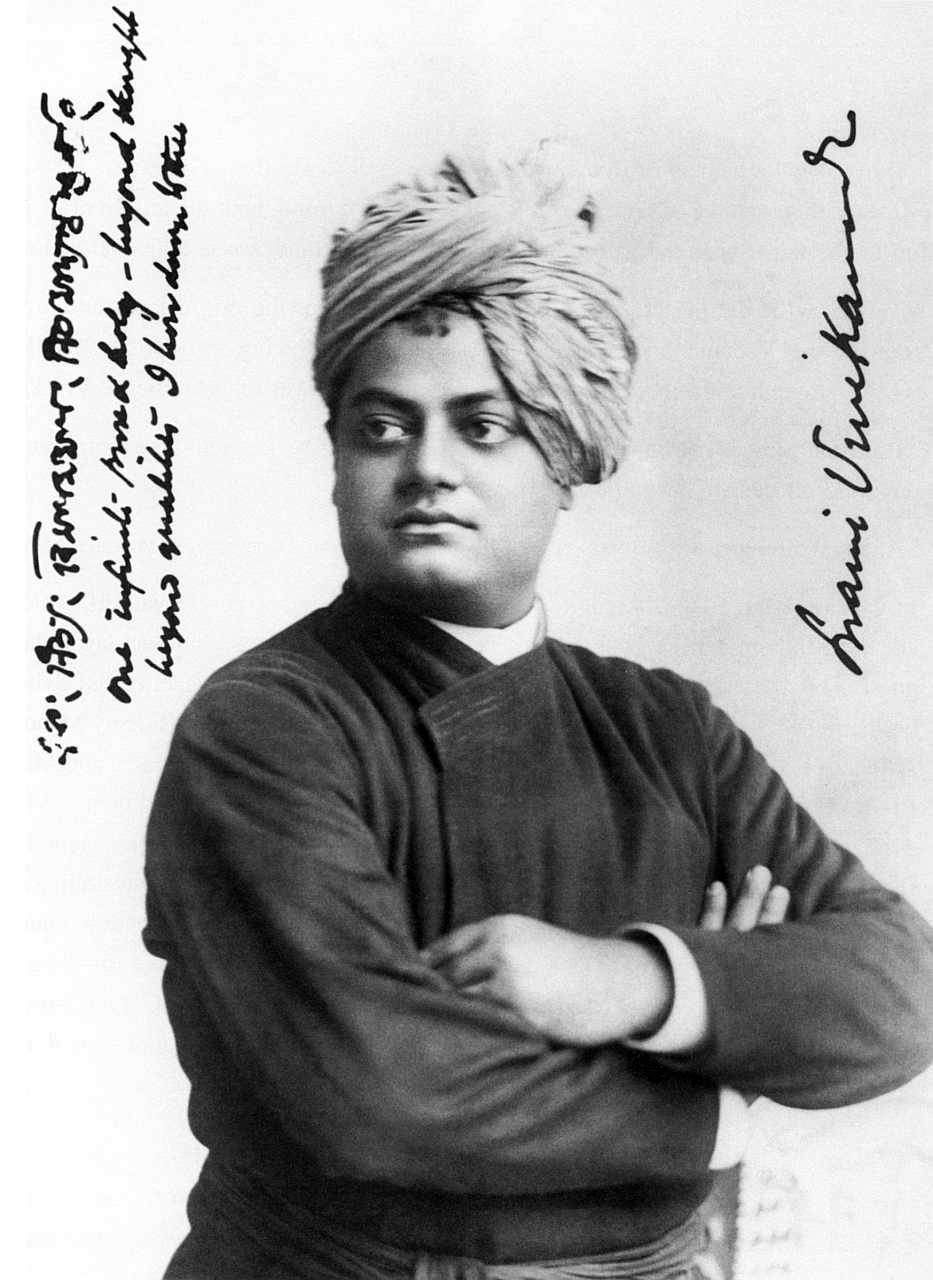
In India, the 12th August day is celebrated as National Youth Day in sync with the birth anniversary of Swami Vivekananda. This day aims to inspire the youth of India to follow Vivekananda’s ideals and follow his given principles, which can help a youth to gain his full potential.

2024 ThemeFrom Clicks to Progress: Youth Digital Pathways for Sustainable Development
|
Indian Youths: An Extra Advantage
The Indian young population constitutes 59% of all Indians. The overall Indian population is still growing. India now holds the largest population on the planet, and it is expected to reach its pinnacle in the year 2059. The young population constitutes the demographic dividend: the working-age population, which outnumbers the non-working population. This is the biggest asset for a country to boost their economic growth by adopting forward-looking policies and programs to empower youth in terms of their education, skills, and health. However, if the demographic dividend is not equipped with the required knowledge, skills, etc., it could potentially become a burden and liability on the resources of a country. Schemes should be introduced so that the demographic dividend should not change into a demographic disaster through inclusive and developmental policies.
Various Disciplines Defines Youth As:
- Psychologists view youth as one of the long personal crisis and struggle with reactions.
- For the psychologist, youth are adolescents: a stage that brings confusion, delinquent behavior, worry, confusion, etc.
- Educators also believe that youth have the above crisis and reaffirm the role of educational institutions to overcome the most fertile stage.
- Sociologists view youth in a wider context, from social issues to changes and in perspective to behavior.

Islamic Perspective on Youth
Islam cherishes the good characteristics of youth—well intention, good-heartedness, and piousness. The story of Al-Kahf is a renowned example where few men fled to a cave from the fear of persecution and refused to bow down before the falsified god. Emphasizing the young stage of one’s life, Allah says that it were the boys or young men (Al Kahf: 13).
In the Hadith, Ibn Abbas (r.a.) reported: The Messenger of Allah (pbuh) said, “take advantage of five before five: your youth before your old age, your health before your illness, your riches before your poverty, your free time before your work, and your life before your death.”
Islam nurtures the characteristics in a youth, which can potentially uplift the young towards the higher attainment of perfection. Given the fact that the young have the potential to learn and absorb things, it is the peer group and environment around him that nurture a young to follow the good characteristics or, on the contrary, the opposite of it.
| Desired in Youth | Not desired in youth |
| Youth = Hope | Youth = Irresponsibility |
| Youth = Ambition | Youth = Distraction |
| Youth = Confidence | Youth = Loss |
| Youth = Dynamism | Youth = Selfish |
| Youth = Leader | Youth = Lazy |
| Youth = Construction, Development | Youth = Coward |
| Youth = Hope, Ambition | Youth = Ignorance |
| Youth = Living, Dynamic Reality | Youth = Foolishness |
Therefore, the period of youth is the period to cultivate virtue characteristics like piety, compassion, gratitude, wisdom, empathy, patience, etc. that can shine and lit the light of guidance tomorrow.
| Youth is happy because it has the ability to see beauty. Anyone who keeps the ability to see beauty never grows old. – Franz Kafka |
Written by: Aijaz Hussain
READ MOREReminiscence of Indian Freedom Struggle

Reminiscence of Indian Freedom Struggle
If one visit Mumbai, one may witness the place which have a remarkable impact in our history of freedom struggle movement. We are talking about Gowalia Tank Maidan, a walkable distance from Chaupathi beach which is an extension of the Mumbai’s famous Marine Drive.
Gowalia Tank Maidan is a historical place remembered for the contribution of two main events in our freedom history. The first reason was that Indian National Congress established in 1885 at this place. The second was that Gandhi gave the call of “Quit India Movement” on 8th August 1942.

What was Quit India Movement?
This was the last mass movement before we gained independence. Before, Quit India Movement various movements namely Civil Disobedience, Non-cooperation and Khilafat etc. All these experiences gained from the earlier movement were culminated into the Quit India Movement which was launched on August, 8, 1942 by Mahatma Gandhi with the help of other prominent leaders. Gandhi addressed a huge assembly gathered at Gowalia Tank and gave the clarion call of “Do or Die”. Various people from different strata of society obeyed his call and started a mass movement. This movement galvanized people from every section of society like Youth, Workers, Peasants, Muslims, Zamindars etc.
Features of Quit India Movement
Prominent Role of Women
Women played a very crucial role during the movement. School and College going girls actively participated. They were brave women in front of the Britishers. They not only participated but also led the movement with men shoulder to shoulder. Aruna Asaf Ali, Sucheta Kriplani, Usha Mehta are some examples. An extraordinary women was Matangini Hazara who was a widow. She took procession of women towards the police station and started a violence that remained noticed in the history of Indian struggle movement. However she lost her life but with the Flag flying high.
Leaderless Movement
British government imprisoned many Congress leaders. Top leaders were put behind prisons. But the immense faith of people in their leaders made this movement the largest one and prepared the grounds for future politics in India.
Gandhi: Divergent from Non-Violence
Gandhi experimented his style of movement from the Champaran and gradually gained experiences in the meantime. He strictly followed his tool of non-violence in all the movements except the Quit India which makes this movement unique. This method is usually termed as social radicalism of Gandhi. Gandhi’s militant mood were clearly visible in his slogan of “Do or Die”.
Parallel Government
Parallel government was one of the feature of Quit India Movement. These government set up in different parts of India undertook various welfare measures in favour of the common people. It boosted confidence among the Indians that the Indians can run administration in their favour categorically denying the proclaimed theory of White Man’s burden.

Prevailed Situation and a New Dawn Ahead
Subhash Chandra Bose organized a military outside and started to dethrone the British from the East side with the help of Japan. Britain was under immense pressure to solve the issue of future status of India before the end of war. Britishers send Sir Stafford Cripps, a member of war cabinet with a draft declaration that include dominion status for India and few changes in the Government of India Act of 1935. But the Indians under the leadership of Mahatma Gandhi had already understood the colonial mentality of Britishers, now the red line has been drawn and it was nothing than a complete complete withdrawal of Britishers. Gandhi internalized the situations in which the Britishers were engulfed and asked for a voluntary withdrawal. The British government swiftly assessed the situation moving out of their hands. They immediately locked leaders behind prison and brutally suppressed many of the demonstrators. It resulted into a sense of common belonging and unification among the diverse and scattered sections of society.
Mass movements are usually ephemeral. By March 1943, it was extinguishing. However, the Quit India Movement failed to get immediate independence from the Britishers. But it succeeded in shaping the future ground for Indian struggle towards its ultimate goal. The Muslim League set its stronghold during this phase, as many leaders from the Congress were behind bars. The seed of dissent and aversion sown by the British government way before was nourished by the Quit India Movement, which resulted in the unfortunate division of states.
Written by: Aijaz Hussain
READ MORETrue Friends Make Life Happier

True Friends Make Life Happier
A true friend is a mirror of oneself. One can see oneself through a friend’s lenses. A loyal friend encourages us towards our personality development and refrains from downgrading it. Friends are among the few important pillars of socialization. Friends or peer groups are forms of primary socialization and play a significant role in shaping an individual. It is an achieved status therefore one should be extremely careful about the selection process.
There is no specific age for being friends with someone. But friendships in childhood are special, filled with kindness and purity. And if one can retain the bond throughout one’s life with the same person, it can be considered equal to a great wealth.
History
Friendship Day was originally proposed by Joyce Clyde Hall, the founder of Hallmark Cards Company which is the largest manufacturer of Greeting Cards in the United States. He suggests Friendship Day to honor and celebrate friendship. Envisaging that it is a day to express appreciation for the friends.
The United Nations General Assembly proclaimed an International Day of Friendship to give it a wider context. UN will observe this day to promote friendship not only at a microscopic level but on a global level. Friendship between Countries, cultures, and governments aimed at enhancing peace and security looks forward to construct a livable world.
It is celebrated on different days across the globe but carries the same universal sentiment altogether.
What is the significance of Friendship Day?
Friends are partners in the ups and downs of our life. They make our living time memorable. They celebrate success with our achievements and provide emotional support during our low times. They are an accompaniment to our lonely lives. They enhance our personality and help us in every phase of life.
| “Friendship is the only cement that will ever hold the world together.” — Woodrow Wilson (28th President of the United States) |
A study by the University of Michigan, found that hanging with other people for at least ten minutes improves one’s ability to solve problems and brainpower. Various other studies show that friendship helps improve sleep and makes people healthier too.
Social Media and Friendship
 The Internet has brought a revolution in people’s interaction. The world has now become a global village, where one can be friend with the other despite their physical distance. Social media like Facebook, Instagram, and other platforms have significantly contributed to bringing people together. Virtual friends are easily accessible. We can make friends from every corner of the world. It has certain benefits like we can learn the language and culture of a very different set of people. It makes us confident in reaching out to people and initiating a conversation.
However, the challenges faced in a virtual friendship should be underlined too. Various threats exist in making an online friendship like limited understanding of the opposite side, misuse of information, fake profiles, lack of emotions, and trust. It can be toxic for teenage boys and girls as their data can be misused. Parents have to keep a keen vigil on their teenager’s social media activities.
How to celebrate friendship day?
 We can express our gratitude to our friends for holding this beautiful relationship strong with time. We can share our thoughts regarding this bond with them through messages or writings. If a quote or a saying can carry the essence of our feeling then we should go with it. If one can express through poetry, commendable job. Poetry is a good genre to express ineffable emotions.
We should reach out to our friends and share memories, express gratitude, and spend time enjoying with friends. The true value of friendship lies in nurturing it from time to time so that the bond becomes stronger.
Peace through Friendship
The world is facing many challenges from reckless war, human rights abuse, and ethnic cleansing to caste and race discrimination. The root cause of many of these problems remains extreme aversion and hatred towards each other. Therefore the United Nations has sought to seek the importance of this day to neutralize the growing aversion between communities on the global level by promoting friendship and cooperation that brings peace in this world. This year’s theme “Embracing Diversity and Fostering Unity” is in sync with the overall objective of enhancing the understanding between various communities.
| “Peace cannot be achieve by Force; it can only by achieved by Understanding. — Albert Einstein |
In reminiscence of the creation of people of various races and communities, the Holy Quran describes that it is done deliberately by Allah (SWT) to know each other.
“O humanity! Indeed, We created you from a male and a female, and made you into peoples and tribes so that you may ˹get to˺ know one another. Surely the most noble of you in the sight of Allah is the most righteous among you. Allah is truly All-Knowing, All-Aware” (Surah Al Hujrat :13)
Islam teaches Moderation (the middle path)
 While choosing friends there should be taken an extreme care. From an Islamic perspective, excessive love and confidence in friends are unacceptable. There is a possibility that the friend may turn into your enemy tomorrow and he will then be in control of all your secrets.
Islam emphasizes treading the middle path. Islamic faith teaches a moderate balanced and equitable approach. There should be a balance of everything in life. Both extremism and asceticism in any affair are discouraged.
| “When you cherish someone you should cherish him moderately for he may be your enemy someday and when you hate someone you should hate him moderately for he may be your friend someday”— Hazrat Ali ibn Abi Talib (R.A.) |
A true Friend is a gem one should not let him loose. According to a saying one is unfortunate if one doesn’t have a friend, but one is more unfortunate than that, if he had one such but he loses it. Friendship is a special bond that needs to be cherished and celebrated. It provides a platform to perform pure act of kindness towards each other. Friendship makes life easy, beautiful and memorable.
Written by: Aijaz Hussain
READ MORE